Virtual Reality Enhancements Transforming Immersive Table Experiences in Regulated Digital Gaming Environments
Petra Schmitz · May 29, 2026
Virtual Reality Enhancements Transforming Immersive Table Experiences in Regulated Digital Gaming Environments
Virtual reality technologies continue to reshape table game delivery across regulated digital gaming platforms, and recent figures from multiple jurisdictions reveal steady integration of enhanced sensory features into live dealer environments since late 2025. These developments focus on creating deeper spatial awareness and interactive precision during blackjack, roulette, and poker sessions while operators maintain compliance with existing licensing frameworks. Data indicates that hardware improvements such as higher-resolution headsets and low-latency tracking systems have reduced motion-related interruptions during extended play sessions.
Core Technological Components Driving Immersion
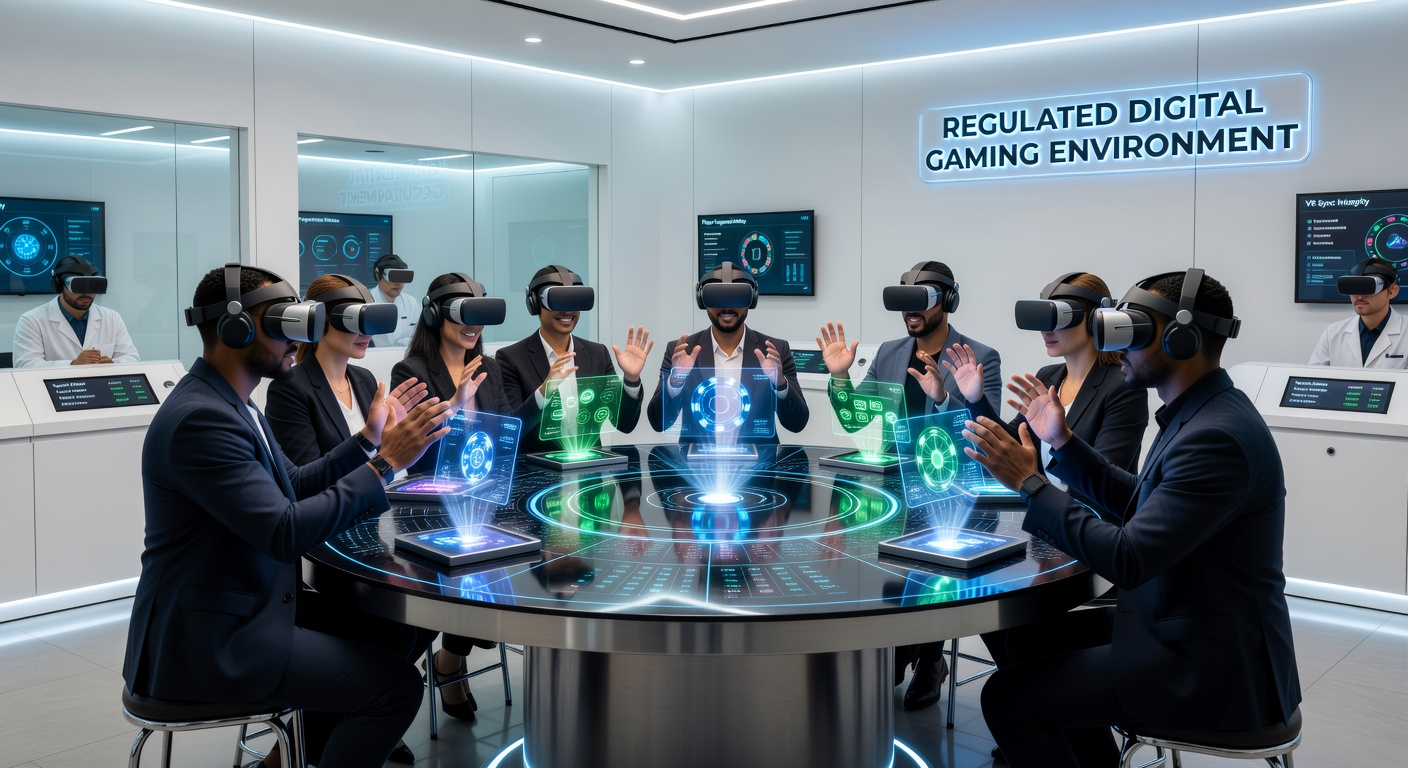
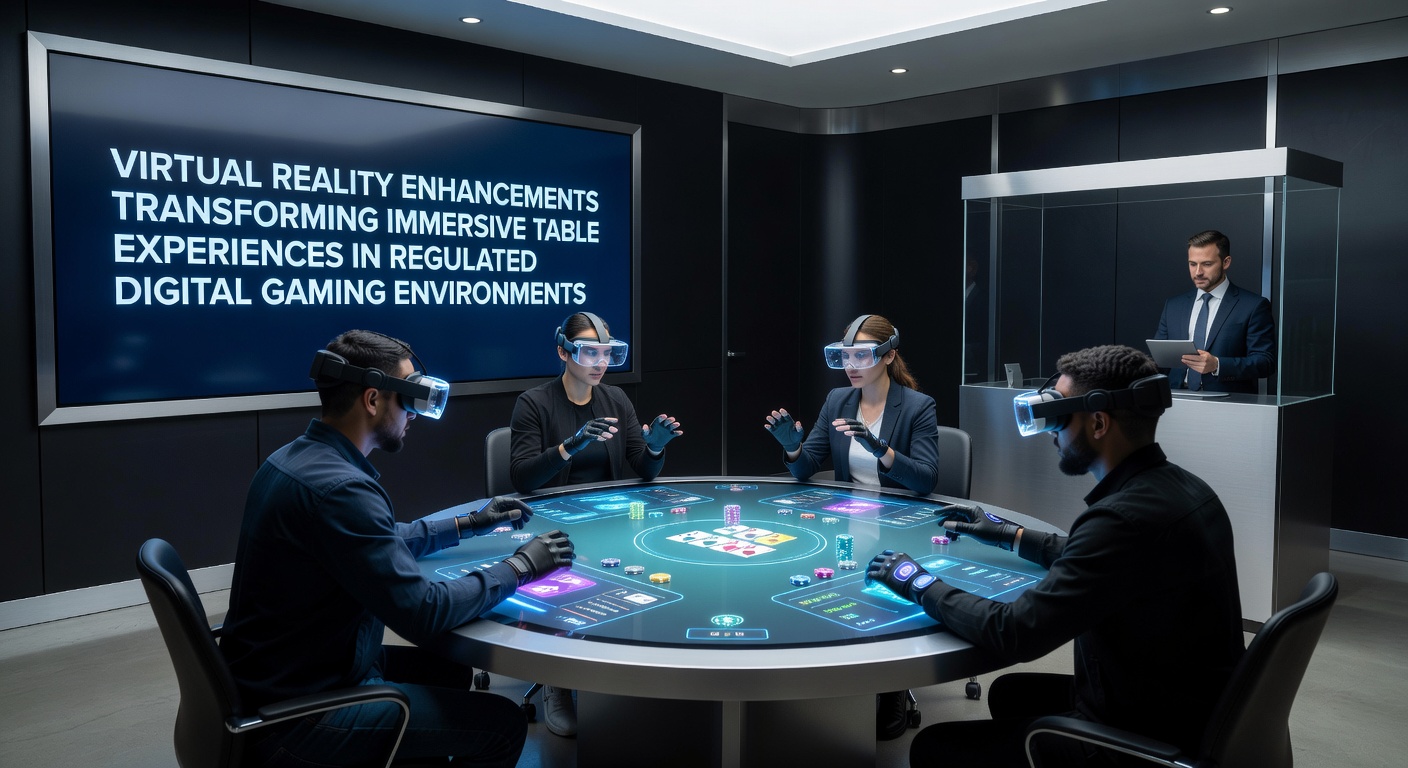
Advanced haptic feedback suits now transmit subtle vibrations that correspond to card shuffles or chip placements, and these additions integrate directly with existing random number generator protocols to preserve outcome integrity. Eye-tracking sensors allow players to signal bets through gaze direction alone, whereas voice command layers handle dealer interactions without requiring physical controllers. Observers note that 360-degree environment rendering lets participants shift perspectives around virtual tables in real time, and this capability mirrors physical casino layouts more closely than traditional screen-based interfaces.
Developments in May 2026 saw several platforms deploy updated rendering engines that synchronize visual and tactile outputs within milliseconds, and testing conducted under oversight from the Nevada Gaming Control Board confirmed these systems maintain consistent frame rates above 90 per second during peak server loads. Such synchronization supports extended sessions where players examine card textures or observe subtle dealer movements without noticeable lag.
Regulatory Compliance in Digital VR Settings
Regulated markets require operators to document every element of VR software against established technical standards, and agencies conduct periodic audits to verify that immersive overlays do not alter payout mechanics or obscure mandatory disclosures. Licensing conditions typically mandate separate certification for haptic and spatial audio modules even when the underlying game logic remains unchanged from approved RNG versions. Those who've examined approval timelines report that full certification cycles for new VR table variants average between four and six months depending on jurisdiction.
Geographic differences appear in how regulators approach player identity verification inside virtual spaces, yet most frameworks insist on biometric checks before entry into live dealer VR rooms. Platforms must also retain session recordings that include both visual feeds and interaction logs for dispute resolution purposes, and these records remain accessible to oversight bodies upon request.
Player Interaction Patterns and Platform Adaptations
Usage statistics compiled by platform analytics teams show that average session duration in VR table environments exceeds that of standard mobile table games by roughly 35 percent, and this pattern holds across both desktop-tethered and standalone headset users. Game designers have responded by introducing modular table configurations that let operators adjust virtual crowd density or lighting conditions based on player preference data collected during onboarding. Multiplayer synchronization protocols now support up to eight simultaneous participants per table without degradation in positional audio accuracy.
Training modules embedded within some regulated platforms guide new users through gesture calibration before they enter live environments, and these tutorials reduce initial setup friction while preserving the requirement for age and location verification at every stage. Research from the International Center for Gaming Regulation at the University of Nevada, Las Vegas indicates that calibrated gesture systems lower accidental bet placements during early sessions compared with unguided interfaces.
Hardware and Infrastructure Considerations
Network operators have expanded edge computing nodes near major population centers to support the bandwidth demands of continuous VR streams, and these investments coincide with rollout schedules announced by several state-licensed providers in early 2026. Headset compatibility lists maintained by platforms typically include devices from multiple manufacturers, although minimum specifications for refresh rate and field of view remain consistent across listings. Battery life constraints on wireless headsets have prompted some operators to offer cloud-rendered options that shift processing loads away from local devices during longer sessions.
Security protocols extend beyond standard encryption to include real-time anomaly detection within spatial data streams, and any deviation from expected movement patterns triggers additional authentication prompts. Such measures align with broader industry efforts to protect both financial transactions and personal biometric information collected during VR interactions.
Conclusion
Virtual reality enhancements continue to expand the technical scope of table experiences inside regulated digital environments, and ongoing infrastructure upgrades paired with rigorous certification processes support steady adoption across licensed markets. Integration of haptic, visual, and auditory layers occurs within established compliance boundaries, while player data from 2026 demonstrates measurable shifts in engagement duration and interaction style. Further advancements remain subject to the same regulatory scrutiny applied to earlier digital gaming innovations.