Verification Chains Safeguarding Bonus Triggers in Regulated Casino Applications
Willa Müller · Aug 21, 2026
Verification Chains Safeguarding Bonus Triggers in Regulated Casino Applications
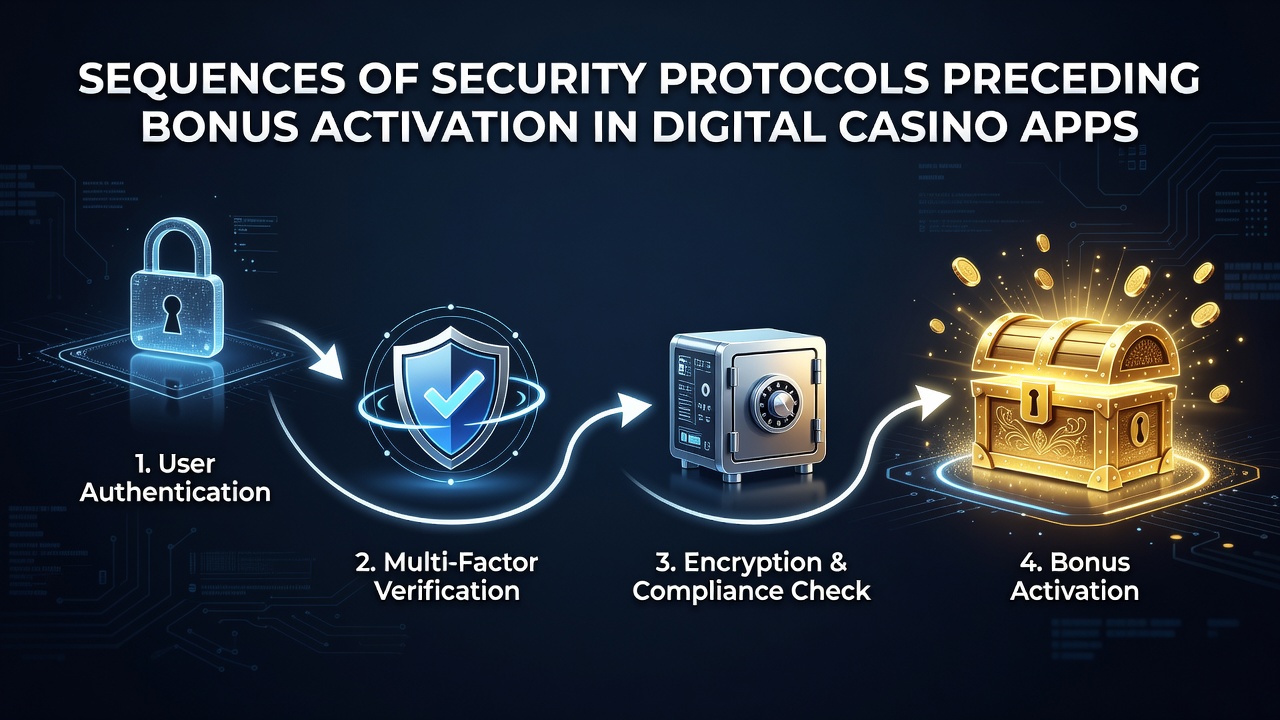
Digital casino platforms activate bonuses only after multiple security layers complete their checks, and these sequences follow consistent patterns across regulated markets. Operators build these flows to satisfy licensing conditions while protecting player accounts from unauthorized access and fraudulent claims.
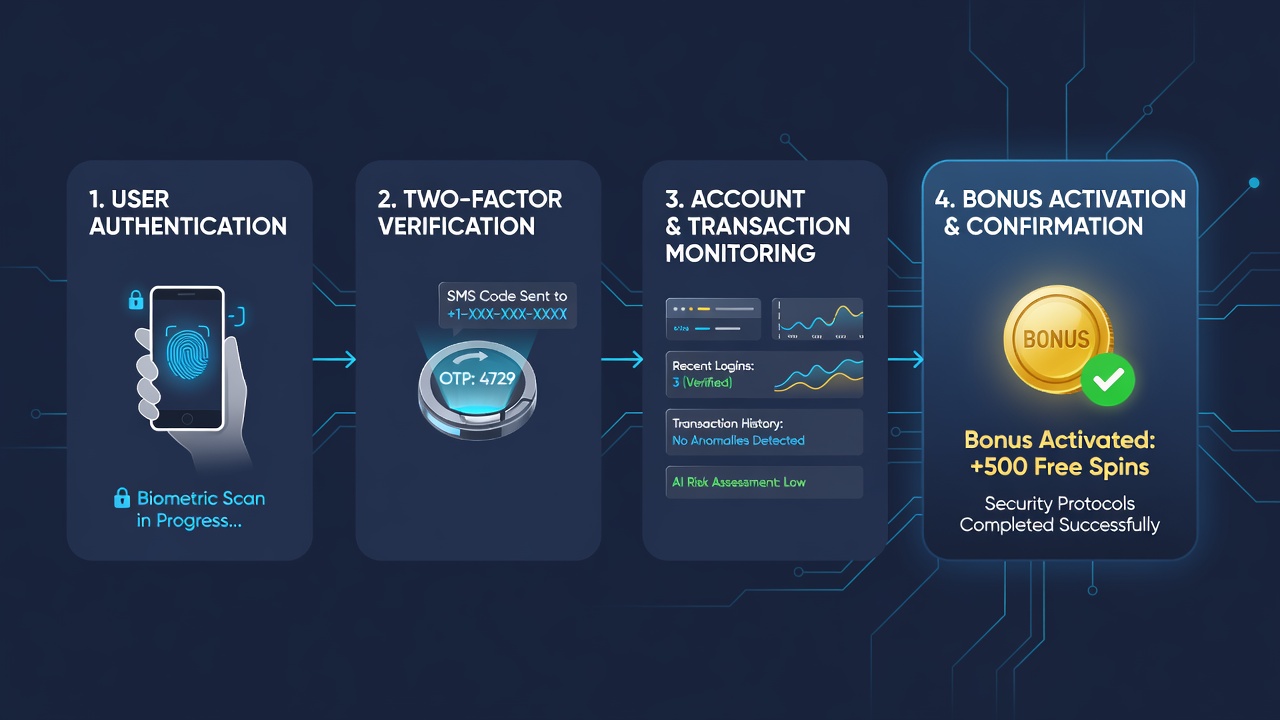
Account creation starts the process with basic email and phone verification, followed immediately by device fingerprinting that records hardware identifiers and operating system details. Platforms then require users to enable two-factor authentication before any promotional balance appears, since data from multiple jurisdictions shows this step reduces account takeovers by measurable margins.
Identity Confirmation Steps
Know-your-customer procedures form the next major block in the sequence, where government-issued identification documents undergo automated scanning and cross-referencing against public databases. Many applications also request a short video selfie that matches the uploaded ID photo, and this biometric step runs before any bonus funds become withdrawable. According to records maintained by iGaming Ontario, platforms licensed in the province must complete these verifications within strict timeframes to maintain compliance.
Once identity documents clear initial review, anti-money laundering screens examine deposit sources and transaction patterns, and these checks occur in parallel with address validation through utility bills or bank statements. Observers note that delays often arise here when documentation contains inconsistencies, forcing manual review teams to intervene before the bonus activation sequence can advance.
Location and Network Controls
Geolocation services activate next, confirming that the user sits inside an approved jurisdiction at the moment of bonus claim. Applications compare GPS data against cellular tower information and Wi-Fi network signatures, then log the results for regulatory audits. In states with active mobile gaming, such as those overseen by the Pennsylvania Gaming Control Board, operators must demonstrate that location checks repeat at regular intervals rather than once per session.
Network-level security runs concurrently, with secure socket layer certificates validating the connection and intrusion detection systems scanning for unusual traffic patterns. Researchers have documented cases where VPN usage triggers additional verification prompts, effectively pausing the bonus sequence until the player switches to a recognized network.
Fraud Screening Layers
Behavioral analytics engines monitor click patterns, session duration, and navigation speed to flag potential automated scripts or shared accounts. These systems assign risk scores in real time, and any score above internal thresholds routes the bonus request to a human reviewer. Data compiled by the National Council on Problem Gambling indicates that such scoring helps separate legitimate promotional use from coordinated bonus abuse schemes.
Payment method verification follows, requiring that deposit sources match the verified account holder name and that cards or e-wallets have passed prior authorization tests. Platforms often hold bonus activation until the first deposit clears, at which point the full sequence of prior checks receives a final automated confirmation before promotional funds appear in the balance.
August 2026 Platform Updates
By August 2026 several major operators had integrated on-device biometric sensors into their verification flows, allowing fingerprint or facial recognition to replace manual document uploads in subsequent sessions. These additions shortened average activation times while preserving the same security checkpoints required by licensing authorities. Industry reports from that period also noted increased use of blockchain-based transaction ledgers to create immutable records of each protocol step completed before bonus release.
Conclusion
The sequences described above operate as interdependent modules rather than isolated events, and each layer must return a positive result before the next activates. Regulatory bodies across North America and Australia continue to refine technical standards that dictate the order and frequency of these checks, ensuring that bonus activation remains both secure and traceable. Players encounter these flows most directly when claiming welcome offers or reload promotions, yet the underlying architecture stays consistent regardless of the specific bonus type involved.