Unpacking Algorithmic Adjustments in Progressive Jackpot Pools Across Multi-State Networks
Willa Müller · Jun 12, 2026
Unpacking Algorithmic Adjustments in Progressive Jackpot Pools Across Multi-State Networks
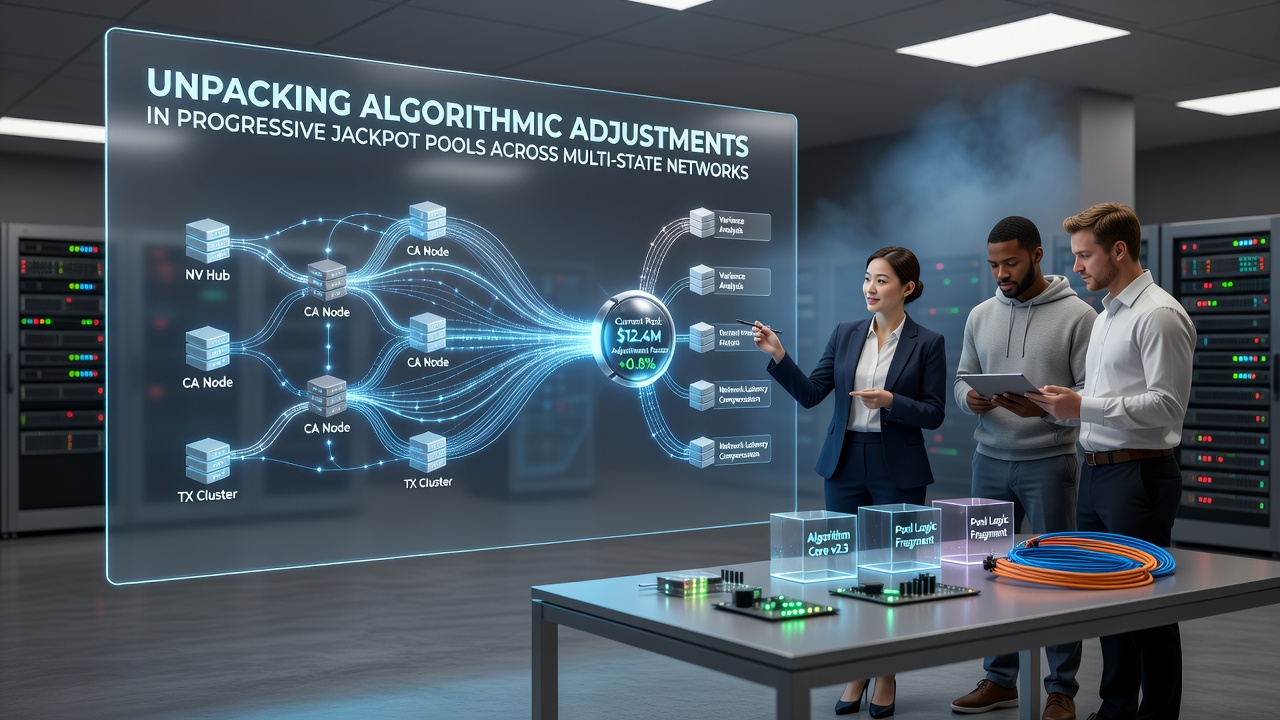
Progressive jackpot systems in multi-state networks rely on sophisticated algorithms that recalibrate pool sizes based on aggregated player contributions from jurisdictions with varying regulatory requirements, and these adjustments occur in real time to maintain compliance while sustaining growth trajectories. Data from regulated platforms shows contribution percentages typically range between 1 and 3 percent of each qualifying wager, yet algorithms dynamically shift these rates according to cross-border traffic patterns and jurisdictional caps that prevent over-concentration in any single state.Mechanics of Algorithmic Recalibration
Operators deploy machine learning models that monitor wager volume across participating states, and these models trigger adjustments when pool thresholds approach predefined ceilings established by individual gaming authorities. For instance, a network spanning New Jersey, Pennsylvania, and Michigan might see the algorithm reduce the contribution rate from 2.5 percent to 1.8 percent once the jackpot exceeds a certain amount, because state rules impose different reporting obligations once pools surpass multi-million-dollar marks. Researchers at institutions tracking iGaming metrics note that such recalibrations help distribute risk evenly while preserving the incentive structure that drives participation.
Reset values after a jackpot win also fall under algorithmic control, and these figures incorporate historical payout data from each state to determine a new seed amount that balances player expectations with operator liability. In June 2026 several networks implemented updated protocols that incorporated fresh compliance layers following expansions in additional states, allowing seamless integration of new player bases without disrupting existing pool momentum.
Regulatory Influences on Pool Adjustments
Each state maintains distinct oversight frameworks that algorithms must accommodate through modular coding structures, and this setup permits networks to comply with rules from bodies such as the New Jersey Division of Gaming Enforcement alongside those enforced by the Pennsylvania Gaming Control Board. Algorithms flag potential violations by cross-referencing real-time pool values against state-specific limits, then execute micro-adjustments to contribution rates or eligibility criteria before thresholds are breached. Observers note that this proactive approach reduces audit burdens for operators while ensuring funds contributed from one jurisdiction do not inadvertently subsidize prizes in ways that conflict with local statutes.
Multi-state networks therefore maintain separate ledgers for each regulatory zone even as a unified jackpot display appears to players, and the underlying algorithms reconcile these ledgers at frequent intervals to produce accurate growth figures. Figures from industry reports compiled by groups such as the Canadian Gaming Association reveal that networks utilizing these layered reconciliation methods experienced fewer compliance interruptions during the first half of 2026 compared with earlier periods.
Technological Implementation Across Networks
Backend systems integrate geolocation verification with jackpot management software, ensuring that only wagers originating from authorized states feed into the pool, and algorithms automatically exclude or redirect contributions from restricted areas without player intervention. This process relies on continuous data streams from payment processors and location services, allowing adjustments to occur within milliseconds of a transaction. Those who study these systems point out that the same infrastructure supports bonus conversion timelines when cryptocurrency wallets are involved, because the algorithms must also track which portions of a pool derive from different funding sources to satisfy audit trails.
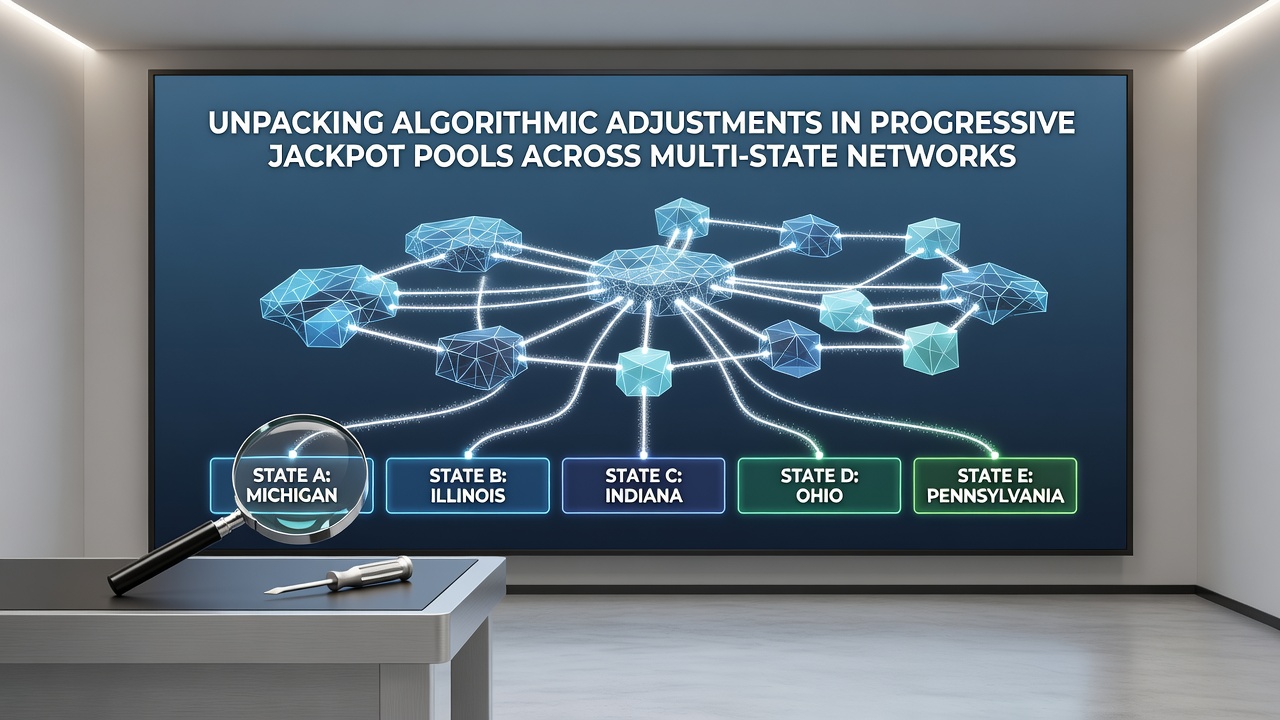
Case examples from operational networks illustrate how an algorithm might increase the reset seed in a high-volume state while holding it steady elsewhere, thereby encouraging broader participation without inflating overall liability. In one documented rollout during spring 2026, operators adjusted parameters across five states simultaneously after analyzing six months of cross-jurisdictional data, resulting in more stable pool growth curves.
Impacts on Player Engagement and Network Stability
Players encounter progressive jackpots that appear consistent across state lines, yet the invisible algorithmic layer continually fine-tunes underlying mechanics to align with each jurisdiction's risk tolerance and taxation rules. Evidence from platform analytics indicates that networks employing frequent micro-adjustments retain higher average session durations because pools remain competitive without triggering sudden regulatory halts. The reality is that these systems function through constant feedback loops between state regulators, operators, and third-party auditors who verify that algorithmic decisions remain transparent and auditable.
Academic studies from research centers focused on digital gaming economics have examined how such adjustments influence contribution patterns, and the findings show measurable differences in wager frequency when players perceive steady growth versus erratic spikes. Networks that communicate adjustment rationales through transparent reporting tend to foster greater trust, although the algorithms themselves remain proprietary.
Conclusion
Algorithmic adjustments in progressive jackpot pools across multi-state networks represent a convergence of regulatory compliance, technological capability, and operational efficiency, and continued evolution in these systems will likely accompany further state-level expansions. The frameworks established by mid-2026 demonstrate how data-driven recalibrations sustain jackpot integrity while navigating a patchwork of legal requirements, providing a foundation for future network scalability.