The Hidden Infrastructure Behind Instant Game Loading in High-Traffic Online Gaming Sites
Paul Schwarz · Aug 5, 2026

The Hidden Infrastructure Behind Instant Game Loading in High-Traffic Online Gaming Sites
High-traffic online gaming sites achieve sub-second load times through layered systems that include content delivery networks, edge computing nodes, and dynamic caching layers positioned close to end users. These components operate together so game assets reach players without waiting for central server round trips. Data centers located in multiple continents route traffic based on real-time latency measurements, while load balancers distribute requests across redundant clusters to prevent any single point from becoming overwhelmed during peak periods. Observers note that content delivery networks form the first line of defense against delays, because they store copies of game files, graphics, and scripts on servers scattered worldwide. When a player in one region requests a slot title or table game, the nearest edge server responds instead of pulling data from a distant origin. Industry reports indicate that major platforms update these caches continuously so new game releases or patches appear instantly across all locations.Edge Computing and Real-Time Optimization
Edge computing extends this model by running lightweight processing tasks on the same distributed nodes that hold cached files. Scripts that handle user interface animations or preliminary game logic execute locally, which reduces the volume of data traveling back to core facilities. Researchers at institutions studying distributed systems have documented how this approach cuts average response times by 40 to 60 percent in high-volume environments, according to measurements collected during 2025 testing cycles that continued into August 2026.
Compression algorithms and differential updates further shrink file sizes before transmission. Only changed portions of game code travel across the network during updates, while unchanged assets remain in local storage. This method keeps bandwidth usage predictable even when thousands of concurrent sessions begin new rounds simultaneously.
Backend Orchestration and Scaling Mechanisms
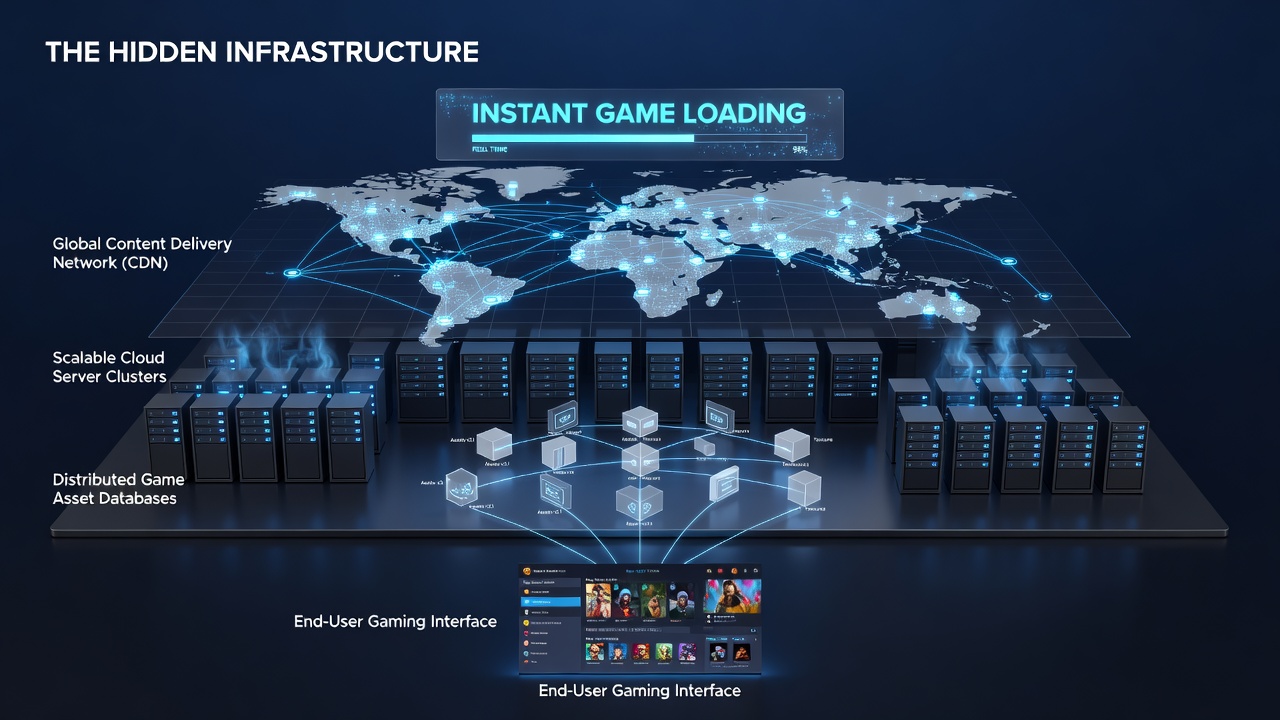 Microservices architectures break game functions into independent modules that scale separately. A payment verification service can expand during bonus events while the core engine handling reel spins stays at baseline capacity. Container orchestration platforms monitor these modules and spin up additional instances within seconds when traffic spikes occur. Observers tracking platform performance note that automated scaling rules often reference historical patterns from major sporting events or holiday weekends to anticipate demand surges. Database sharding splits player data and game state across multiple synchronized stores so queries complete without contention. Read replicas handle non-critical lookups such as leaderboard refreshes, leaving primary nodes free for transaction-critical writes. Network engineers configure these replicas with sub-millisecond replication lags to maintain consistency across regions.
Security Layers Integrated with Performance Systems
Encryption and fraud detection run in parallel with delivery pipelines rather than as sequential gates. WebAssembly modules execute integrity checks inside the browser while assets load, allowing verification to finish before gameplay begins. Regulatory frameworks in several jurisdictions require these checks, and platforms comply by embedding them into the same edge functions that serve game files. A report published by the European Gaming and Betting Association outlines how such integrated security maintains throughput without introducing measurable latency under regulated conditions.
Geolocation services and session tokens validate eligibility at the network edge before any game assets transfer. This pre-filtering prevents unauthorized requests from consuming bandwidth or cache space. Platforms operating across multiple licensing regions synchronize these rules through centralized policy engines that push updates to edge nodes in under a minute.