Segmentation Data Fuels Algorithmic Changes to Return-to-Player Percentages
Paul Schwarz · Aug 14, 2026
Segmentation Data Fuels Algorithmic Changes to Return-to-Player Percentages
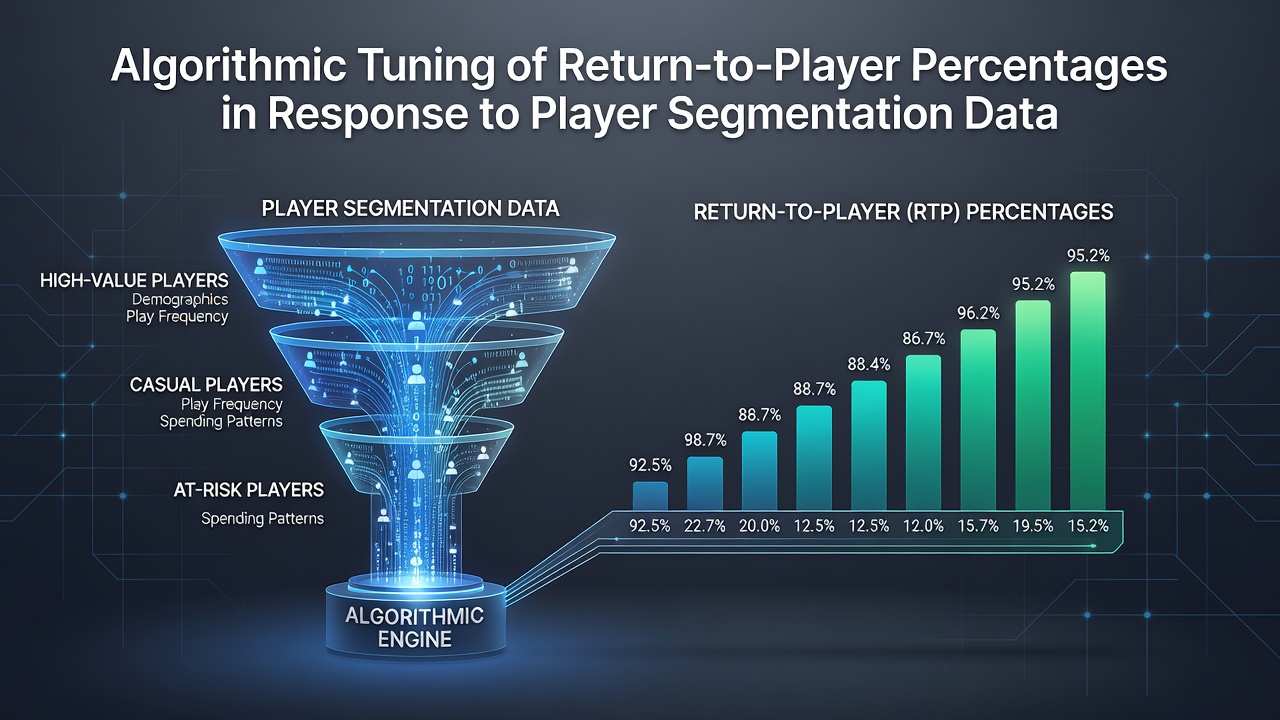
Player segmentation data now drives algorithmic modifications to return-to-player percentages across many regulated online platforms, and operators track behavioral patterns to refine payout structures in real time. Systems analyze factors such as deposit frequency, session duration, and game preference before applying targeted adjustments that align with jurisdictional rules.
Core Mechanisms Behind Segmentation-Based Tuning
Algorithms divide users into cohorts based on metrics like average bet size and play velocity, then feed those groups into models that recalibrate RTP within approved ranges. Data from August 2026 shows platforms in multiple markets applying these changes at intervals as short as every 24 hours while maintaining compliance logs for oversight bodies. Researchers note that such tuning often occurs through backend scripts that reference historical performance rather than individual accounts, which keeps operations within legal boundaries set by state and national regulators.
One documented approach clusters players according to risk profiles derived from transaction velocity and game selection, after which the system applies incremental RTP shifts that favor retention in lower-engagement segments. This process relies on machine-learning layers trained on anonymized datasets, and it updates continuously as new behavioral signals arrive.
Regulatory Frameworks Across Regions
Authorities in New Jersey require operators to submit detailed reports whenever segmentation algorithms alter RTP values, and the New Jersey Division of Gaming Enforcement audits these modifications against pre-approved parameters. Similar requirements exist in Australia, where the Australian Communications and Media Authority mandates transparency around any dynamic payout adjustments tied to player groupings. These rules ensure that changes remain within statutory limits and that players receive consistent information about game probabilities.
European jurisdictions impose additional layers of review, demanding that segmentation logic undergo third-party testing before deployment. Operators must demonstrate that adjustments do not create unfair advantages or disadvantages across cohorts, and they maintain audit trails that regulators can access on demand.
Technical Implementation in Live Environments
Modern platforms integrate segmentation engines directly with game servers so that RTP values update without requiring client-side downloads. When a player enters a new session, the system queries the segmentation database, applies the current coefficient for that cohort, and records the outcome for compliance verification. Engineers design these pipelines to handle thousands of concurrent queries while preserving sub-second response times. Observers note that redundancy checks prevent erroneous adjustments from reaching players, and rollback procedures activate automatically if anomalies appear in payout distributions.
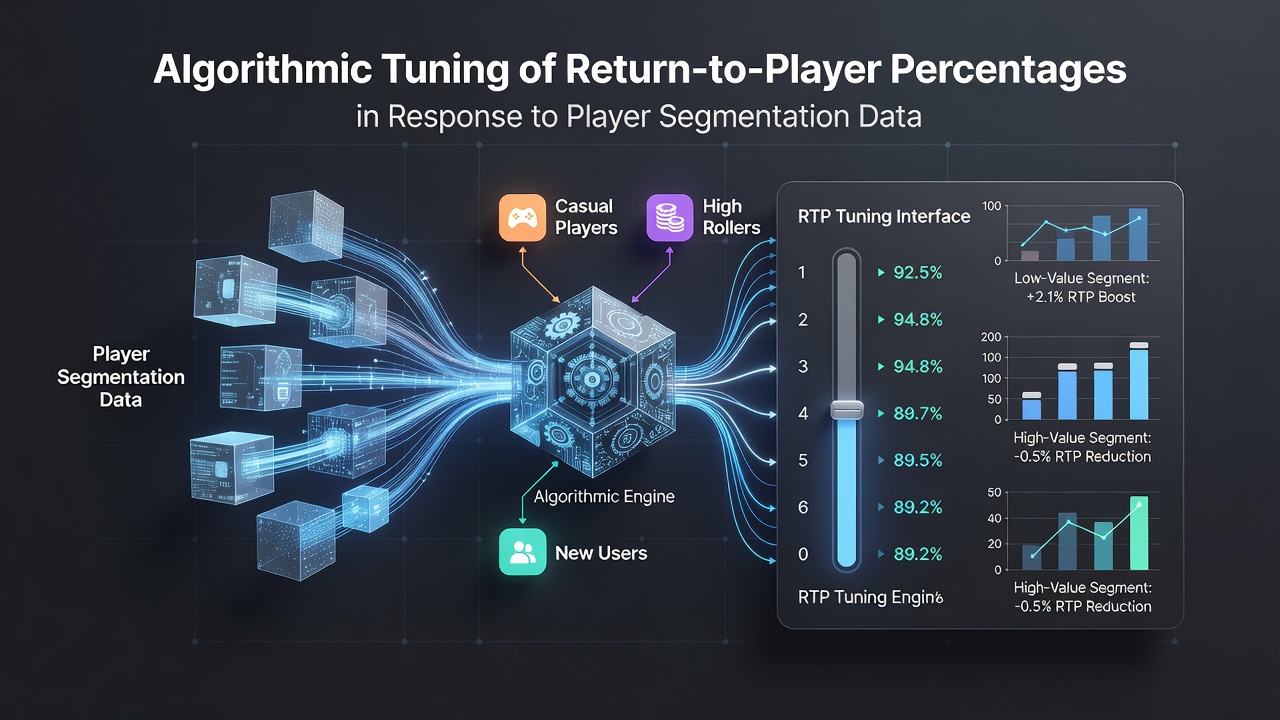
Case studies from multi-state networks reveal that segmentation often incorporates geographic and device data alongside behavioral metrics, allowing finer calibration across mobile and desktop users. In August 2026 several platforms reported integrating weather and time-of-day signals into their models, though these remain secondary to core engagement variables.
Data Sources and Validation Practices
Operators source segmentation inputs from internal telemetry combined with anonymized third-party datasets that comply with data-protection statutes. Validation teams run periodic back-tests comparing projected versus actual RTP outcomes for each segment, and they adjust model weights when deviations exceed predefined thresholds. Industry reports indicate that successful implementations maintain RTP variance within 0.5 percent of target values across all cohorts over rolling 30-day windows.
Academic researchers have examined similar systems in controlled simulations, confirming that segmentation-driven tuning can stabilize revenue streams without breaching regulatory caps. These studies emphasize the importance of transparent logging and independent audits to maintain trust in the underlying algorithms.
Conclusion
Algorithmic tuning of return-to-player percentages through player segmentation continues to evolve under tightening regulatory scrutiny. Platforms that combine robust data pipelines with strict compliance protocols demonstrate measurable improvements in operational efficiency, and ongoing developments in August 2026 suggest further refinement of these techniques across global markets. Oversight bodies maintain focus on transparency and fairness, ensuring that segmentation practices serve both commercial objectives and player-protection mandates.