Payment Rail Timelines Influence Bonus Conversion Rates Across Licensed Multi-State Platforms
Logan Schulz · Aug 24, 2026
Payment Rail Timelines Influence Bonus Conversion Rates Across Licensed Multi-State Platforms
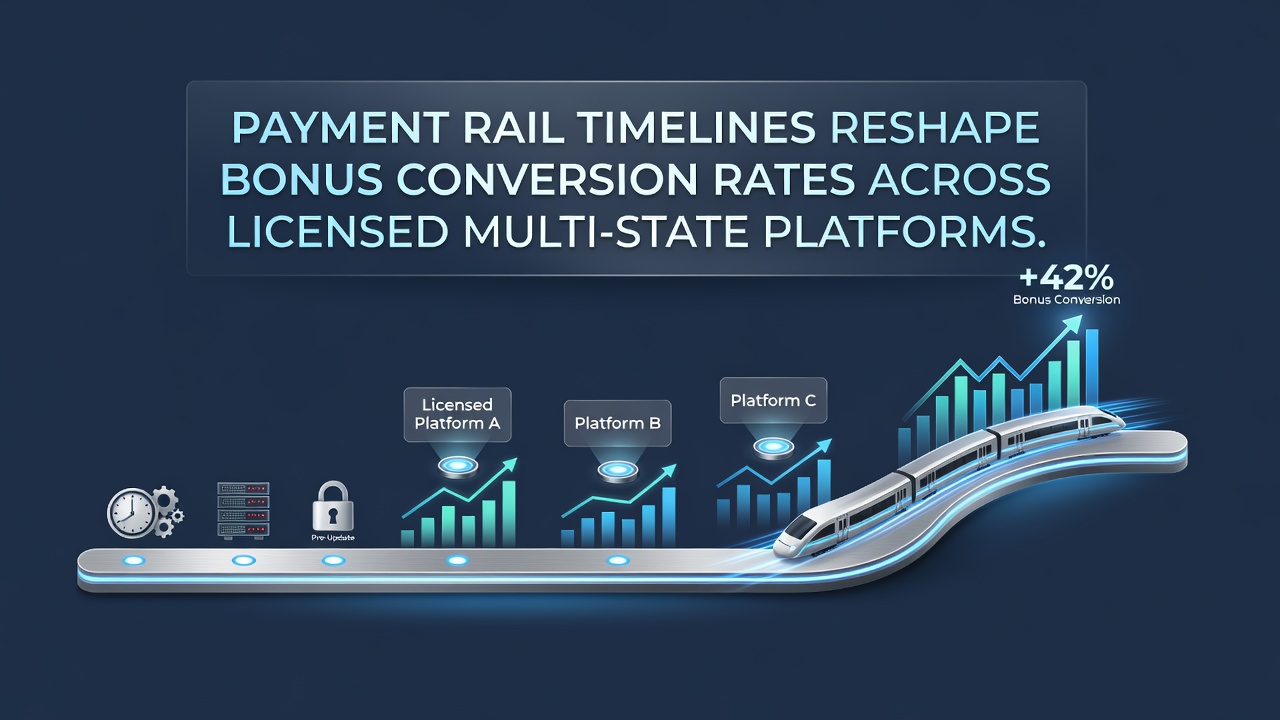
Payment rail timelines have started to reshape how bonus conversion rates function on licensed platforms that operate across multiple states, and the shifts trace back to processing speeds, regulatory windows, and settlement requirements that vary by jurisdiction. Operators track these rails closely because the time between deposit, playthrough, and withdrawal approval determines whether players meet the conversion thresholds set by each state's rules.
Core Payment Rails in Use
ACH transfers, wire services, and card networks form the backbone of most licensed systems, yet each carries distinct settlement periods that directly affect bonus eligibility periods. ACH often clears in one to three business days while wires move faster but incur higher fees, and platforms adjust bonus conversion windows accordingly to stay compliant. Data from the New Jersey Division of Gaming Enforcement shows average ACH processing windows lengthened slightly in early 2026, prompting operators to extend bonus playthrough deadlines in that market.
State-Level Variations and Their Effects
Multi-state platforms must reconcile different state mandates on bonus funds, and payment rail speed becomes the variable that either accelerates or delays conversion. Michigan and Pennsylvania maintain shorter settlement windows for certain rails compared with New Jersey and West Virginia, which means the same bonus offer converts at different rates depending on where the player is located. Observers note that platforms now segment bonus offers by rail type to keep conversion percentages stable across borders.
Impact on Bonus Structures
Longer rail timelines force operators to recalibrate wagering requirements and expiration dates, since funds tied up in processing cannot count toward playthrough until they settle. Research from the University of Nevada, Las Vegas International Gaming Institute indicates that platforms using slower rails reduced maximum bonus values by an average of 12 percent in the first half of 2026 to maintain target conversion rates. Players who select instant rails such as certain card networks therefore see faster progression through bonus stages, while those using traditional bank transfers encounter extended holding periods.
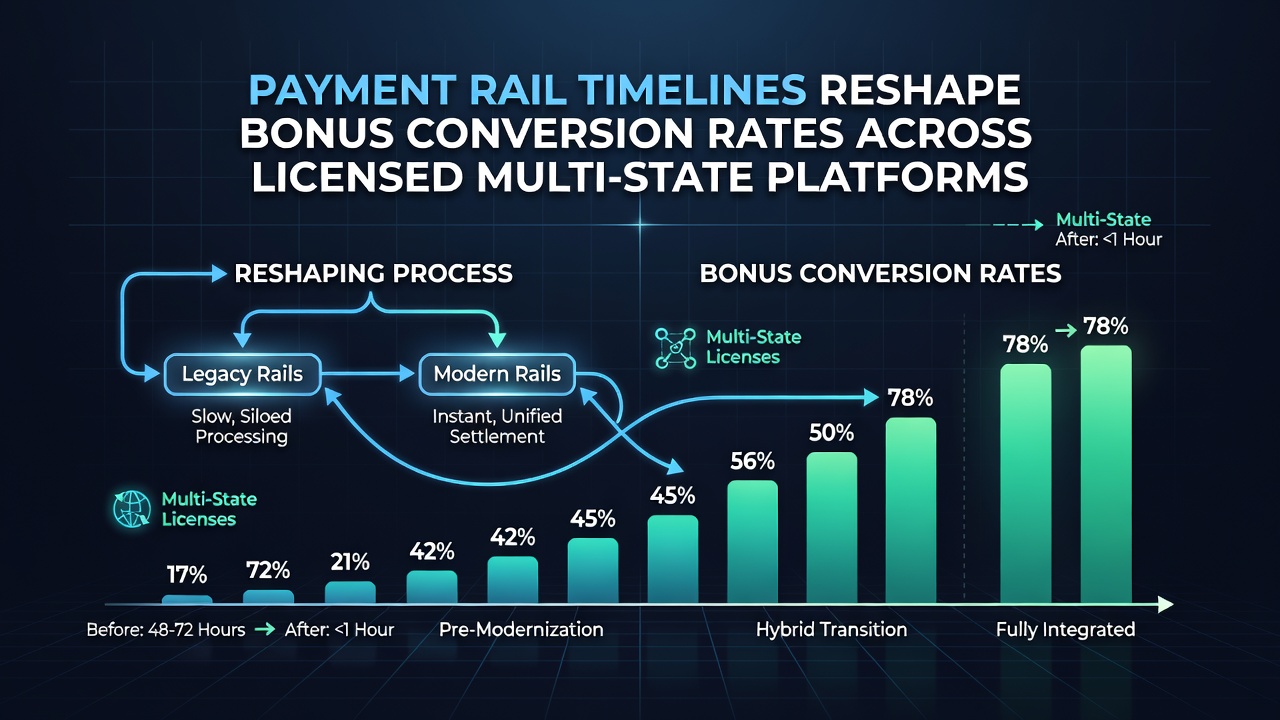
By August 2026 several major operators had introduced rail-specific bonus tiers that reward faster settlement methods with lower playthrough multipliers, and these adjustments appear across multiple state markets simultaneously. The change aligns conversion incentives with actual processing speeds rather than uniform schedules, which reduces the number of bonuses that expire before funds clear.
Regulatory Oversight and Reporting
State regulators require detailed reporting on bonus fund movement, and payment rail data now forms part of monthly submissions in several jurisdictions. The Michigan Gaming Control Board began requesting rail-specific metrics in mid-2026, and similar requests have surfaced in other states that share player bases with Michigan. These reports track how long bonus funds remain in pending status before conversion eligibility is confirmed, providing regulators with clearer visibility into whether timelines comply with consumer protection rules.
Platform Adjustments and Technology
Operators have responded by integrating real-time rail tracking tools that update bonus progress as funds move through settlement stages. Automated systems now pause or extend playthrough counters when rail delays occur, and this automation keeps conversion rates consistent even when external banking networks slow down. Industry reports from the Canadian Gaming Association highlight parallel developments in cross-border operations where similar rail timing issues arise between provincial regulators.
Conclusion
Payment rail timelines continue to drive measurable changes in bonus conversion rates on licensed multi-state platforms, and the pattern shows no sign of reversing as regulators add more granular reporting requirements. Operators that align bonus structures with actual settlement speeds maintain steadier conversion percentages while meeting each state's distinct compliance standards. The ongoing integration of faster rails alongside traditional methods gives platforms additional flexibility to balance player expectations with regulatory obligations across jurisdictions.