Navigating Compliance Shifts in Emerging Digital Gambling Jurisdictions and Their Effects on Player Reward Structures
Willa Müller · Jun 26, 2026
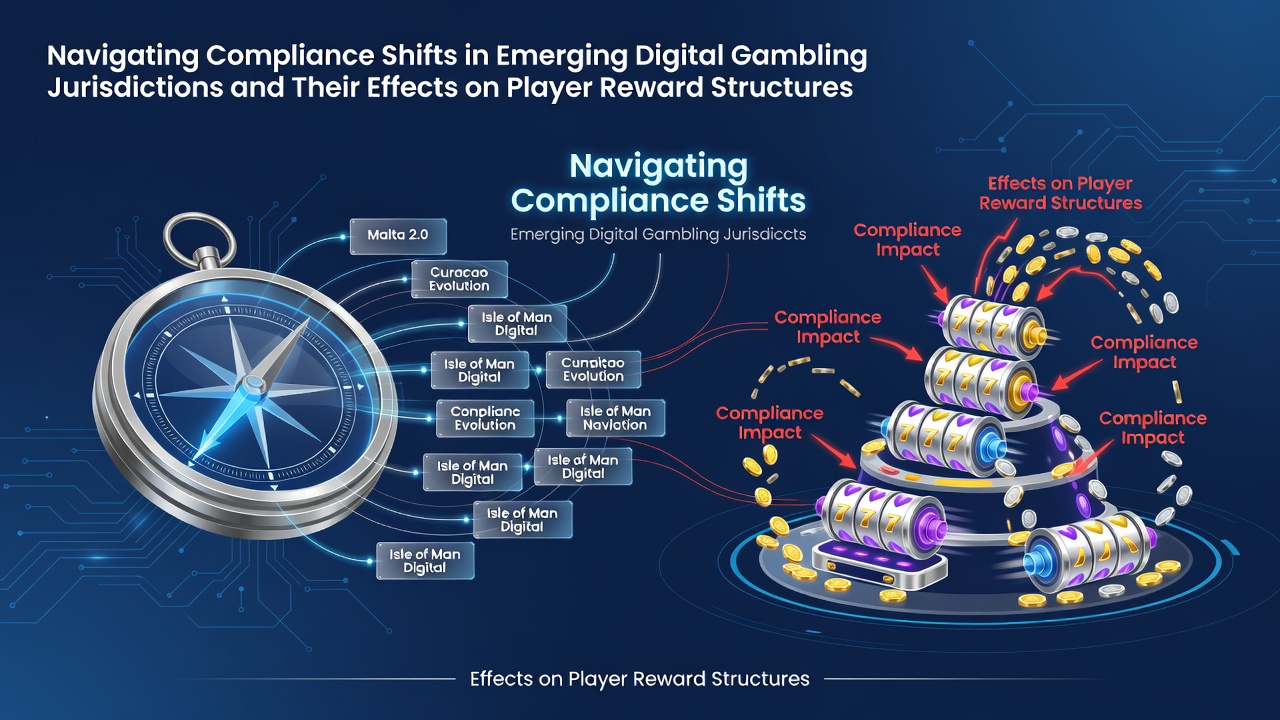
Navigating Compliance Shifts in Emerging Digital Gambling Jurisdictions and Their Effects on Player Reward Structures
Emerging digital gambling jurisdictions continue to introduce new regulatory frameworks that reshape how operators structure player rewards, and these changes often require adjustments to bonus offerings, loyalty mechanics, and payout calculations to maintain compliance while preserving engagement levels.
Regulatory Developments Across New Markets
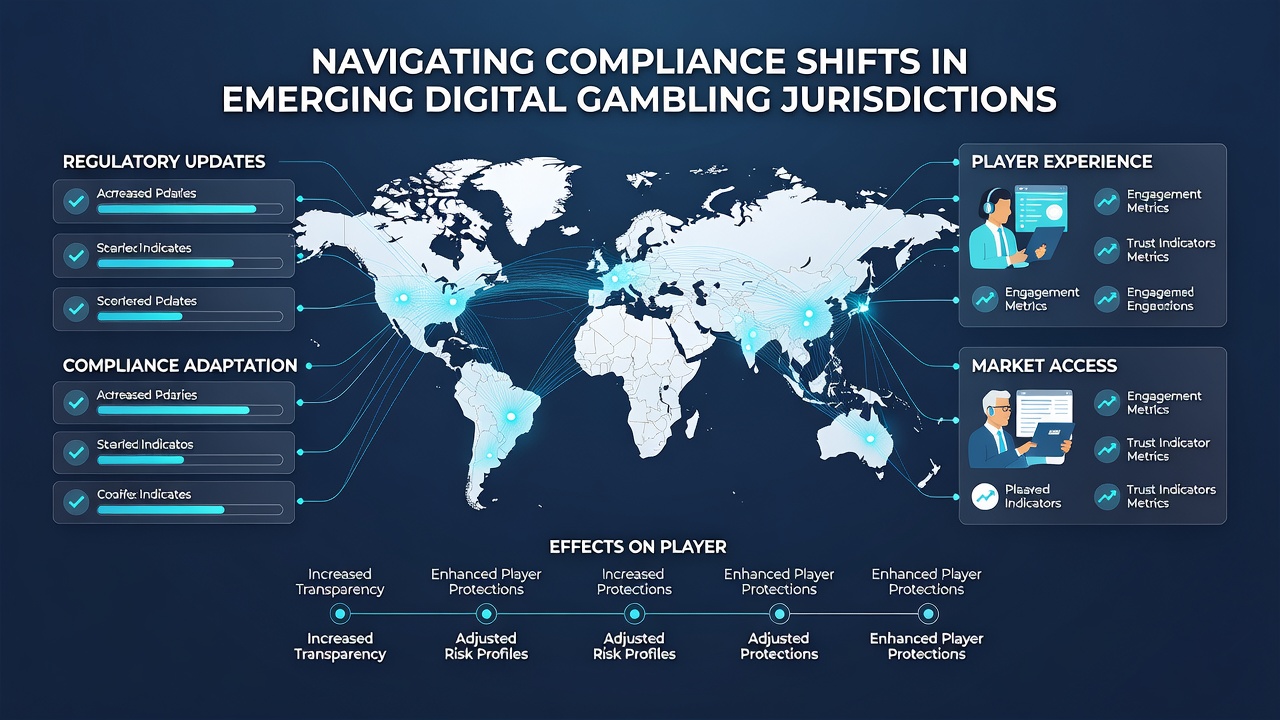
Countries and regions opening digital gambling markets in recent years have focused on consumer protection measures that directly influence reward structures, with several jurisdictions implementing rules effective around June 2026 that cap bonus values or mandate transparency in promotional terms. Observers note that these requirements stem from broader efforts to align local laws with international standards on responsible gaming, and data from industry reports indicate that such shifts affect how platforms calculate return-to-player percentages in promotional games.
Take the case of certain Latin American markets where new licensing bodies have introduced mandatory reporting on reward distributions, which forces operators to recalibrate loyalty points systems so they reflect actual player activity rather than inflated bonus multipliers. Researchers have documented similar patterns in parts of Southeast Asia, where regulations now require clear separation between deposit bonuses and gameplay rewards, leading to redesigned tier structures that tie benefits more closely to verified spending patterns.
Adjustments to Player Reward Mechanisms
Compliance updates frequently prompt revisions in how casinos award free spins, cashback percentages, and VIP perks, since rules often prohibit tying rewards to high-risk behaviors or require minimum wagering thresholds that extend across multiple game categories. Figures from regulatory filings reveal that operators in these jurisdictions have reduced maximum bonus amounts by an average of 15 to 25 percent in some cases, while extending validity periods to meet fairness criteria outlined in licensing agreements.
Those who've examined operator responses find that loyalty programs undergo the most visible transformations, with points accrual rates adjusted to exclude certain promotional deposits and redemption options limited to non-bonus funds in several instances. What's interesting here is how these modifications maintain player retention through alternative incentives like personalized game recommendations tied to compliance-approved reward pools, and studies show this approach helps stabilize engagement metrics even as traditional bonus sizes shrink.
Geographic Variations and Implementation Timelines
Different regions approach these compliance shifts at varying speeds, with some jurisdictions phasing in reward restrictions over 12 to 18 months while others enforce immediate changes upon market launch. According to information from the National Council on Problem Gambling, operators must now document how reward systems avoid targeting vulnerable player segments, which has led to the development of segmented loyalty tiers that incorporate age and activity filters.
Yet the reality is that cross-border platforms face additional layers of complexity when serving players from multiple emerging markets simultaneously, since reward structures must satisfy the strictest applicable rules to avoid license revocation. Data indicates that companies operating in both African and Eastern European digital spaces have adopted unified reward engines capable of dynamic adjustments based on user location, ensuring that bonus conversion rates and wagering requirements align with local mandates without disrupting the overall user experience.
Operator Strategies and Technological Adaptations
Industry participants respond to these regulatory pressures by investing in compliance software that automates reward calculations and flags potential violations before promotions reach players, and this technology integration has become standard in jurisdictions where audits occur quarterly. Research from academic sources on digital gaming economics highlights how such tools enable real-time modifications to progressive jackpot contributions or tournament prize pools when new rules take effect, preserving operational continuity.
One study revealed that platforms incorporating biometric verification alongside reward systems experience fewer compliance issues, since identity checks help enforce eligibility rules tied to promotional offers and prevent duplicate account abuse that could inflate reward distributions. Those monitoring these trends observe that successful operators treat compliance not as a barrier but as a framework that encourages more sustainable reward models focused on long-term player value rather than short-term acquisition spikes.
Conclusion
Shifts in compliance across emerging digital gambling jurisdictions continue to drive measurable changes in player reward structures, from bonus caps and loyalty recalibrations to enhanced transparency requirements that influence everything from RTP disclosures to redemption processes. As markets mature and new rules like those rolling out around June 2026 take hold, operators rely on data-driven adjustments and technology to balance regulatory demands with competitive offerings, ensuring that reward systems evolve in line with both legal standards and player expectations across diverse regions.