Mapping the Integration of Biometric Authentication Methods Within Secure Mobile Gambling Applications
Leon Schulz · Jun 1, 2026
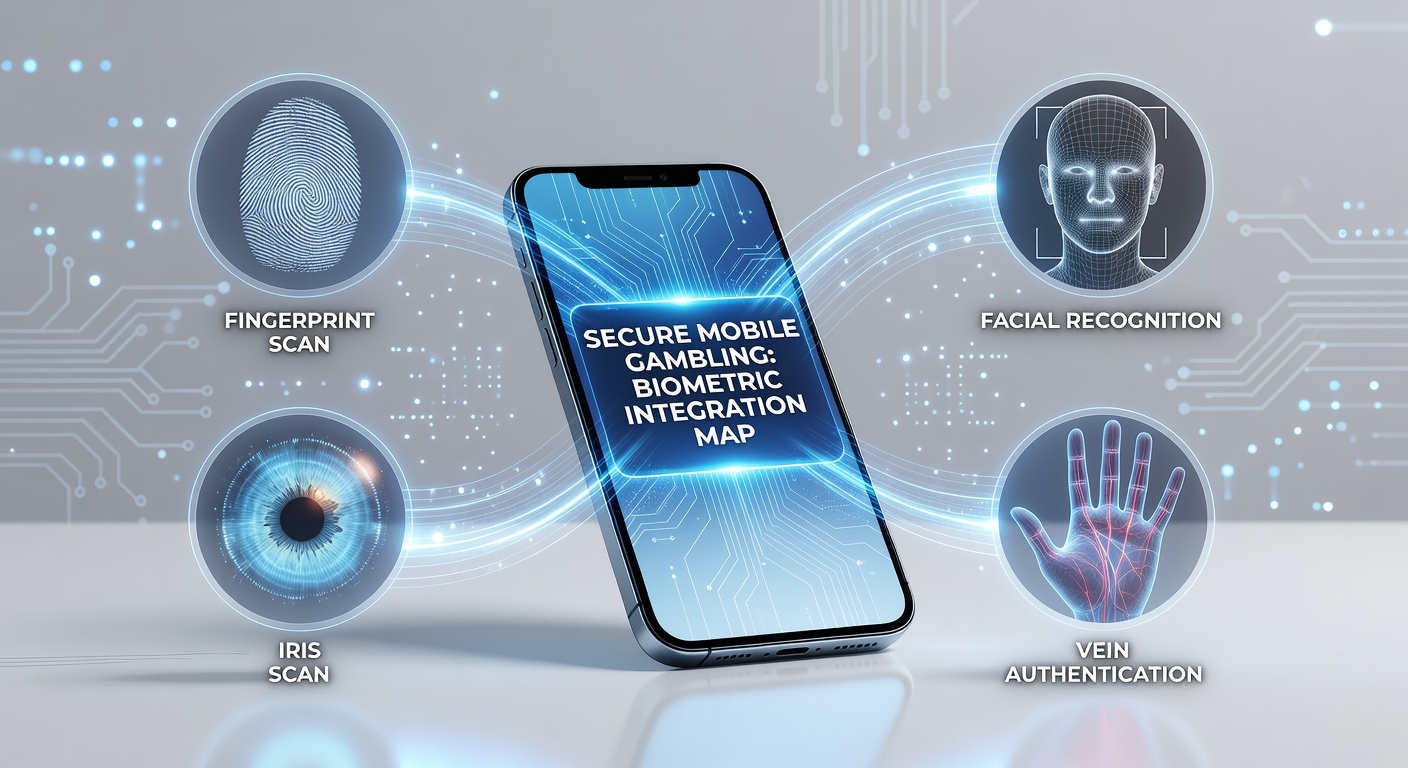
Mapping the Integration of Biometric Authentication Methods Within Secure Mobile Gambling Applications
Biometric authentication has moved from optional add-on to core infrastructure in secure mobile gambling applications, where developers map fingerprint scanners, facial recognition systems, voice patterns, and behavioral analytics into layered verification workflows that replace or supplement traditional passwords and PINs. Researchers at institutions across North America and Europe have documented steady adoption rates since 2023, with mobile platforms now handling the majority of player logins through these methods because they reduce friction while meeting strict identity verification standards set by regulators in multiple jurisdictions.
Core Biometric Technologies in Current Use
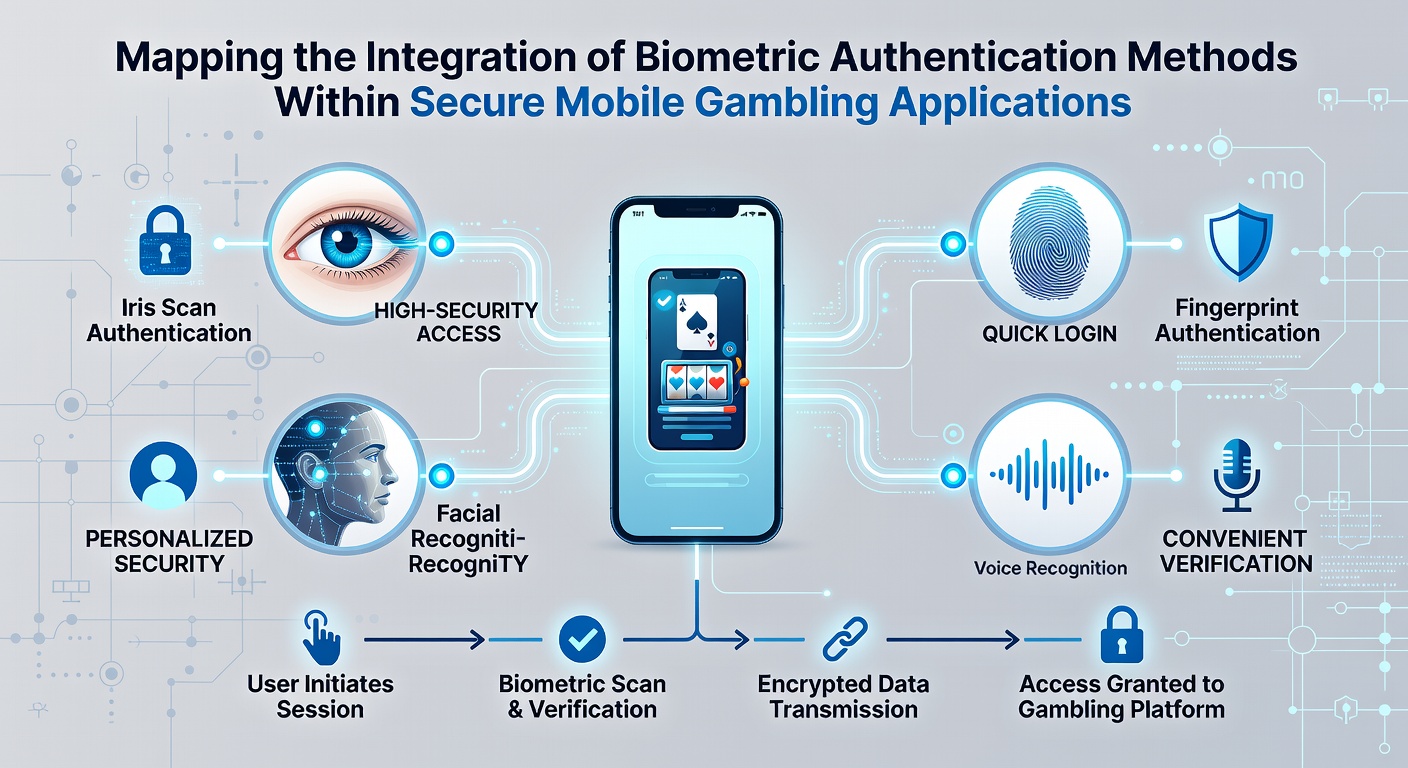
Fingerprint authentication remains the most widely deployed option because sensors on modern smartphones deliver sub-second matching with false acceptance rates below 0.1 percent according to device manufacturer benchmarks, yet developers continue to layer additional modalities when regulatory frameworks require multi-factor confirmation for high-value transactions. Facial recognition has expanded rapidly since Apple and Android platforms standardized depth-sensing cameras, allowing gambling operators to perform liveness checks that distinguish between live users and static images or video replays during account access or withdrawal requests.
Voice biometrics appears in customer support flows and some high-limit verification sequences where players speak a passphrase, while behavioral biometrics tracks swipe patterns, typing rhythms, and device handling characteristics without requiring explicit user action. Data from the Nevada Gaming Control Board shows that by early 2026 more than 60 percent of licensed mobile gambling applications incorporated at least two biometric factors, reflecting both technological maturity and compliance expectations that evolved after the 2024 updates to interstate compact agreements.
Integration Mapping Across App Architecture
Developers typically place biometric enrollment immediately after initial account creation, storing encrypted templates on the device secure enclave rather than transmitting raw data to central servers, which aligns with privacy rules enforced by the Malta Gaming Authority and similar bodies. During subsequent sessions the application triggers the chosen modality through operating-system APIs, then combines the result with device attestation checks before granting access to wallet functions or game lobbies.
Real-time risk engines evaluate contextual signals such as location changes, time of day, and transaction size to decide whether a single biometric match suffices or whether a second modality must activate, creating dynamic authentication paths that adapt without user intervention in routine cases. Observers note that this mapping reduces average login time by 40 percent compared with password-only flows while maintaining audit trails that satisfy reporting obligations in both U.S. state markets and Australian regulated environments.
Regulatory and Security Considerations Through Mid-2026
June 2026 marks the point at which several European and North American regulators began requiring documented liveness detection standards for any facial recognition implementation in gambling apps, prompting operators to update their integration maps with new vendor certifications. The Australian Communications and Media Authority published updated technical guidelines that emphasize template protection and revocability of biometric data, influencing how Canadian provincial platforms redesign their enrollment sequences.
Industry reports indicate that successful integrations depend on close coordination between app developers, device manufacturers, and regulatory technology vendors who supply certified SDKs. One documented case involved a major operator migrating from single-modality fingerprint checks to a hybrid system after internal audits revealed occasional sensor failures on older hardware, resulting in fallback procedures that preserved both security and player access continuity.
Challenges Encountered During Implementation
Hardware variability across smartphone models creates ongoing mapping difficulties because not every device supports the same sensor resolution or software API level, forcing developers to maintain parallel code paths that degrade gracefully when advanced biometrics are unavailable. False rejection rates, though low, still generate support tickets that operators address through secondary verification methods such as one-time codes delivered via registered email or SMS.
Privacy frameworks in multiple regions require explicit user consent and the ability to delete biometric templates on demand, which adds complexity to backend systems that must synchronize deletion requests across distributed databases without disrupting ongoing session management. Research published by the University of Las Vegas International Gaming Institute highlights that transparent communication about data handling correlates with higher continued usage rates among players who initially express hesitation about biometric enrollment.
Future Mapping Directions
Emerging standards from global standards bodies point toward greater interoperability between biometric modalities and decentralized identity frameworks, allowing players to carry verified credentials across multiple licensed operators without repeated enrollment. Pilot programs underway in 2026 test iris scanning on next-generation foldable devices and on-device machine learning models that refine behavioral profiles over time while keeping all processing local to the handset.
Conclusion
The integration of biometric authentication into secure mobile gambling applications continues to evolve through deliberate architectural mapping that balances regulatory compliance, user convenience, and hardware realities across different markets. As of June 2026 the landscape shows consistent progress toward multi-modal systems supported by clear technical guidelines from authorities in the United States, Australia, and Europe, with documented reductions in unauthorized access attempts alongside measurable improvements in session completion rates. Ongoing refinement of these maps will depend on continued collaboration among technology providers, operators, and oversight bodies to maintain both security integrity and accessibility for all verified users.