Decoding Cross-Border Payment Protocols That Stabilize Player Funds in Licensed Digital Gaming Networks
Willa Müller · Jun 3, 2026
Decoding Cross-Border Payment Protocols That Stabilize Player Funds in Licensed Digital Gaming Networks
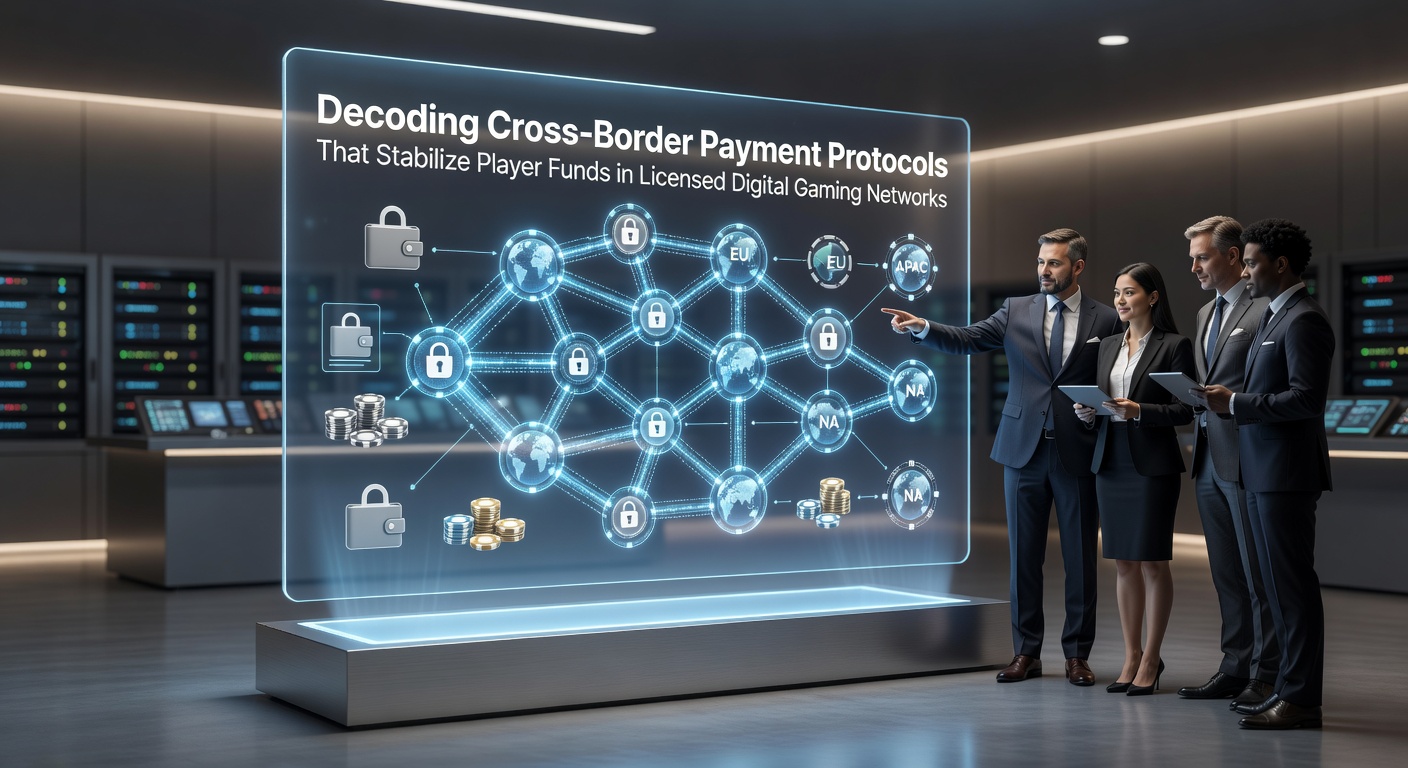
Cross-border payment protocols form the backbone of financial operations in licensed digital gaming networks where players from multiple jurisdictions interact with operators across borders, and these systems rely on standardized frameworks that route funds through verified channels while maintaining compliance with regional banking rules. Licensed networks incorporate protocols designed to isolate player deposits and withdrawals from operational accounts, which reduces exposure during currency conversions and international transfers that occur daily across continents.
Core Mechanics Behind Fund Stability
Payment protocols such as those aligned with the Single Euro Payments Area extensions and real-time gross settlement systems process gaming transactions by segregating funds into escrow-style accounts that operators cannot access until withdrawal requests clear automated compliance checks. Data from industry reports indicate that these separations prevent commingling of assets, a practice that regulators in multiple regions now mandate for any licensed platform handling international player activity. Protocols also embed multi-factor verification layers that flag unusual patterns before funds move, and this occurs automatically through API connections between payment processors and gaming software platforms.
Observers note that the architecture includes tokenized identifiers for each player account, which travel alongside transaction data to ensure traceability without exposing personal banking details during cross-border hops. In June 2026 several networks updated their integration with ISO 20022 messaging standards, allowing richer data payloads that speed up reconciliation while preserving audit trails required by licensing authorities.
Regional Regulatory Alignment and Protocol Adoption
Licensed operators must align their payment flows with directives from bodies such as the European Commission on payment services and the Australian Transaction Reports and Analysis Centre guidelines, creating a patchwork where each jurisdiction imposes specific reporting thresholds and currency controls. These alignments force protocol developers to build modular systems capable of switching rule sets based on player location detected at login. Research from academic studies on digital finance shows that such adaptability correlates with fewer settlement delays, particularly when networks process transactions involving both fiat currencies and approved stablecoins.
Take one network operator that integrated protocol updates in early 2025 and subsequently reported smoother fund movements between European and Asian player bases, according to data shared with the European Gaming and Betting Association. The same operator expanded its coverage to Canadian markets by adopting additional verification modules that satisfy provincial requirements without rebuilding the entire payment stack.
Technical Components That Reduce Settlement Risk
Multi-currency ledgers sit at the center of these protocols, maintaining real-time balances in both source and destination currencies so that exchange rate fluctuations do not erode player funds during the brief window between deposit and confirmed receipt. Smart routing algorithms select the lowest-risk corridor available at any moment, factoring in liquidity levels reported by correspondent banks and regulatory alerts issued that day. When one corridor experiences congestion, traffic shifts automatically to alternatives pre-approved by the network's compliance team.
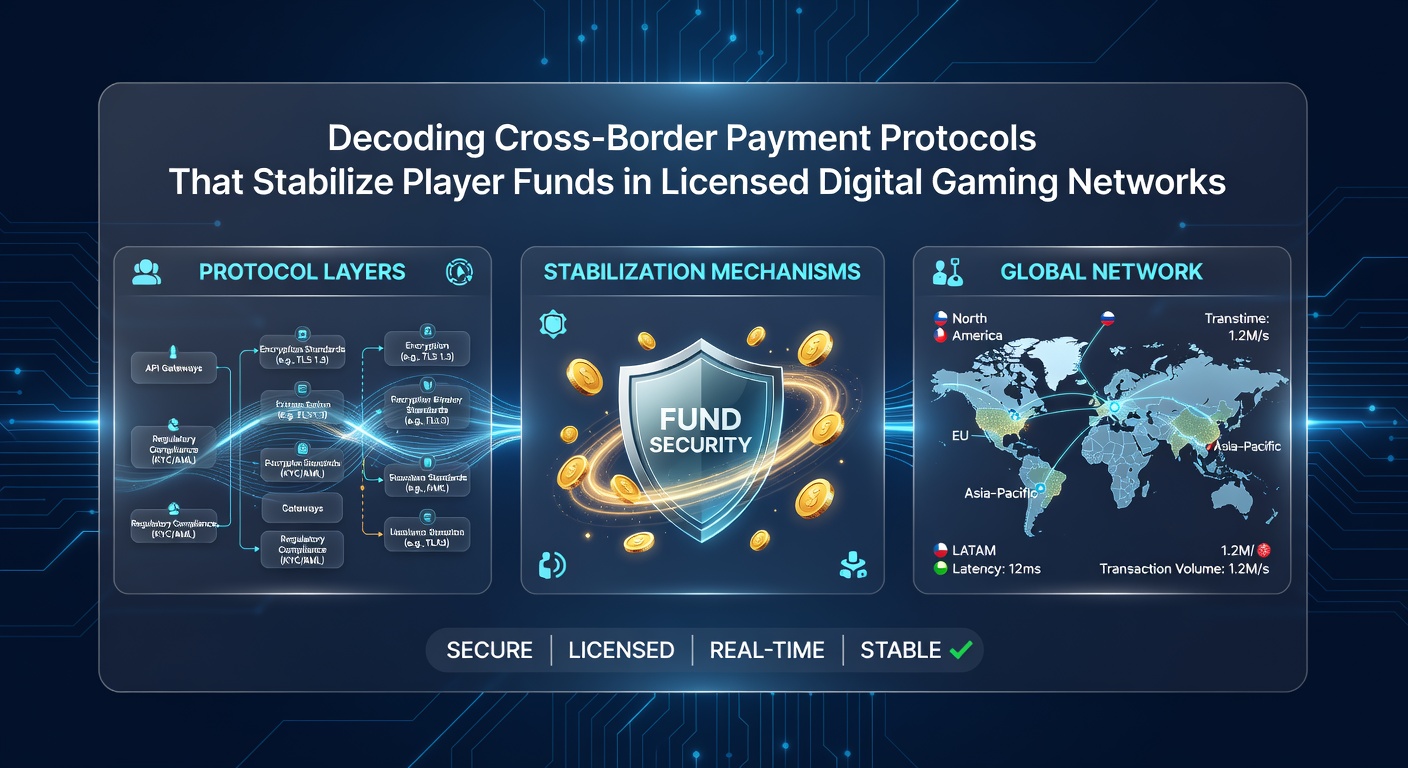
Encryption standards applied at the message level, combined with hardware security modules at each endpoint, protect the integrity of instructions traveling between banks, processors, and gaming platforms. Periodic penetration testing conducted by independent firms confirms that these layers resist common attack vectors observed in financial systems. Protocols further incorporate time-stamped checksums that allow rapid identification of any altered records before settlement finalizes.
Player Experience and Operational Outcomes
Players interacting with licensed networks experience fewer rejected withdrawals because protocols pre-validate destination accounts against sanctioned entity lists and perform velocity checks that flag potential money laundering patterns without manual intervention. Withdrawal times have shortened in networks that fully adopted these automated layers, with many transactions completing inside the same business day when originating and receiving banks both support the protocol. Figures released by several operators show that player fund disputes related to cross-border timing dropped measurably after protocol upgrades rolled out in 2025.
Those who've studied transaction logs across platforms report that the combination of escrow separation and real-time monitoring creates a buffer that survives temporary banking outages in one region without affecting player balances elsewhere. This resilience matters when networks serve users across time zones where banking hours rarely overlap.
Emerging Standards and Continued Evolution
Industry groups continue to refine protocol specifications to accommodate new payment rails, including central bank digital currencies under pilot programs in several countries. Licensed networks that participate in these pilots gain early access to testing environments where settlement occurs on distributed ledgers while still routing through traditional compliance gateways. The updates scheduled for late 2026 aim to standardize message formats further, reducing the need for custom translations between regional systems.
Academic papers published in 2026 highlight measurable improvements in fund recovery rates when protocols include automated rollback features triggered by detected anomalies. These features return funds to the original player account within minutes rather than days, provided the anomaly falls within predefined risk parameters established by the licensing jurisdiction.
Conclusion
Cross-border payment protocols in licensed digital gaming networks operate through layered technical and regulatory safeguards that keep player funds isolated, traceable, and protected during international movement. Continued alignment with evolving standards such as ISO 20022 and regional directives ensures these systems remain functional across expanding geographic footprints, while independent testing and automated monitoring maintain the stability that both players and regulators require.