Charting the Migration of Traditional Dice Mechanics into Algorithmically Adapted Versions Within State-Licensed Digital Table Environments
Willa Müller · Jul 27, 2026

Charting the Migration of Traditional Dice Mechanics into Algorithmically Adapted Versions Within State-Licensed Digital Table Environments
Traditional dice games such as craps have long formed a core element of casino floor operations across state-licensed venues, and their movement into digital table environments follows documented patterns of regulatory approval and technical certification. State gaming commissions in jurisdictions including New Jersey and Pennsylvania have issued specific guidelines for random number generator implementations that replicate dice outcomes while meeting testing standards set by independent laboratories. These adaptations maintain the core probabilities of the original mechanics yet operate through certified algorithms that undergo periodic audits.
Regulatory Frameworks Guiding the Transition
Data from the New Jersey Division of Gaming Enforcement shows that approved digital craps variants must demonstrate statistical equivalence to physical dice rolls over millions of simulated outcomes before deployment. Technicians program these systems to generate results that align with the 36 possible combinations of two six-sided dice, and operators submit source code plus test results for review. Similar processes apply in other states where legislation authorizes internet-based table games, creating a consistent pathway for developers to adapt legacy mechanics.
Observers note that certification bodies require continuous monitoring of algorithm performance after launch, with operators required to report any deviation beyond established variance thresholds. This oversight structure emerged from earlier slot machine regulations and now extends to table game reproductions, ensuring that digital versions deliver the same mathematical expectations as their physical counterparts.
Technical Adaptations in Algorithm Design
Engineers translate physical dice rolls into algorithmic sequences by mapping random number outputs to specific face values while preserving the uniform distribution that defines fair play. Research published by the University of Nevada, Reno gaming laboratory indicates that modern implementations incorporate additional layers such as seed rotation and cryptographic hashing to prevent predictability. These measures address concerns raised during early online gaming expansions in the 2010s and have become standard requirements in state licensing applications.
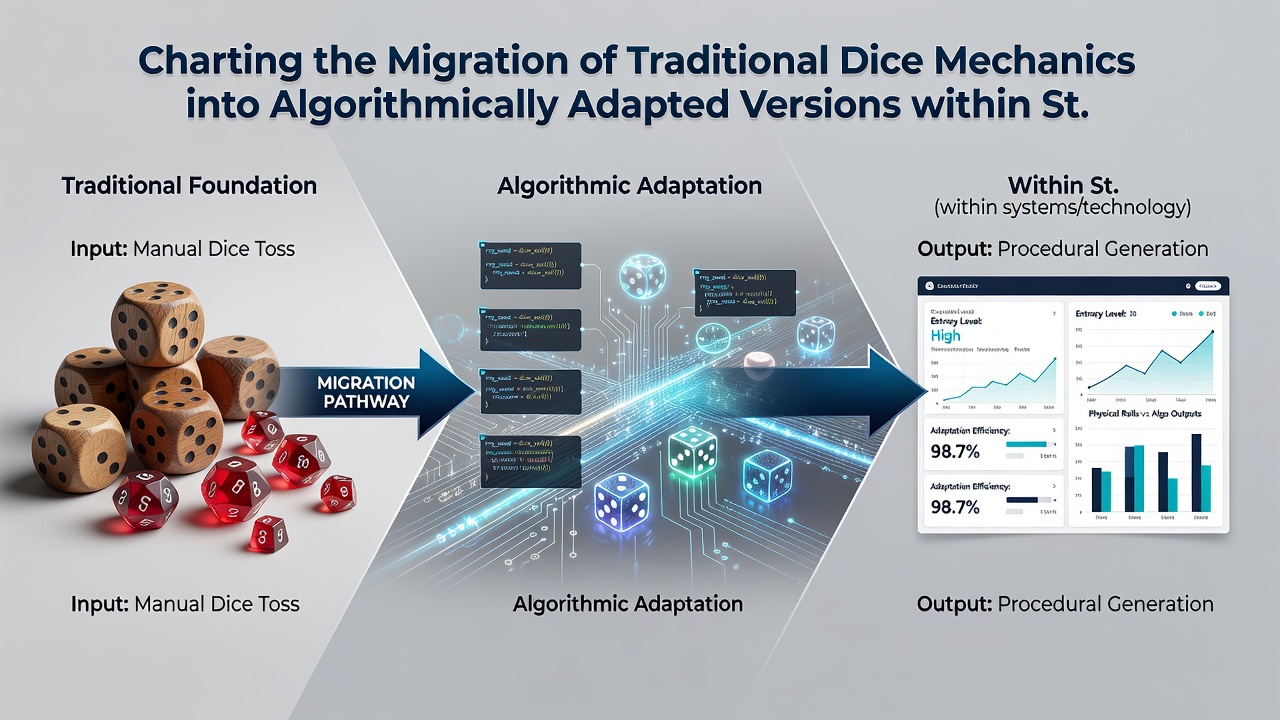
Multi-state networks further complicate the picture because each jurisdiction maintains its own approval timeline and testing protocols. Operators running platforms across several states must therefore maintain separate algorithm versions or configurable modules that satisfy the strictest standards in each location. Figures released by the American Gaming Association in early 2026 reveal that over 40 percent of licensed online table game offerings now include at least one dice-based title, reflecting steady integration since the first state approvals in 2013.
Player Interface and Game Flow Adjustments
Digital environments replace physical dice with animated representations that execute the same underlying probabilities, yet developers adjust timing and visual feedback to match expectations formed by live tables. Animation sequences typically run between three and five seconds per roll, a duration chosen after usability studies conducted by platform providers showed alignment with average physical roll cycles. Side bets and proposition wagers common in brick-and-mortar craps receive identical algorithmic treatment, with payout tables remaining unchanged from regulatory filings.
Live dealer hybrids combine streamed video of physical dice with algorithmic side elements, allowing platforms to offer both options within a single session. July 2026 saw several Pennsylvania-licensed operators expand these hybrid formats after receiving supplemental approvals that clarified how mixed physical-digital outcomes must be recorded for audit purposes. The expansion followed earlier pilot programs that demonstrated consistent result reconciliation between the two formats.
Security and Compliance Measures
State regulations mandate that algorithm source code remains stored in escrow with approved third parties, enabling regulators to verify integrity during dispute resolution or routine inspections. Encryption protocols protect data transmission between player devices and central servers, and geolocation services confirm that sessions originate only from permitted jurisdictions. These layered controls emerged from collaborative efforts between state agencies and industry groups seeking to prevent both external tampering and internal manipulation.
Reports from the Nevada Gaming Control Board document fewer than 0.001 percent of certified RNG outcomes flagged for review across all table game types in the past five years, suggesting that current technical standards effectively maintain outcome integrity. Operators must retain detailed logs of every roll for a minimum retention period defined by each state, facilitating forensic analysis when required.
Conclusion
The migration of dice mechanics into state-licensed digital tables rests on established regulatory pathways, certified algorithmic replication, and ongoing compliance monitoring that together preserve the mathematical structure of traditional play. Continued expansion across additional jurisdictions depends on alignment between legislative updates and technical certification capacity, with data from existing markets indicating measurable adoption rates among licensed operators.