Bonus Buy Breakdown: Costs, Payouts, and RTP Impacts in Modern Slots
Logan Schulz · Apr 24, 2026
Bonus Buy Breakdown: Costs, Payouts, and RTP Impacts in Modern Slots
What Bonus Buys Bring to the Table in Today's Slots
Modern slot games have evolved far beyond simple spins; developers now pack in bonus buys as a direct path to high-volatility action, allowing players to skip the base game grind and jump straight into free spins, multipliers, or cascading reels that promise bigger thrills. This feature, popularized by providers like Pragmatic Play and Nolimit City, lets users pay a premium upfront—often 50 to 150 times their base bet—to trigger the bonus round instantly, and data from industry trackers shows adoption surging since 2020, especially in markets where regulators greenlight it. Players often find these buys appealing because waiting for organic triggers can drag on for hundreds of spins, whereas one click delivers the goods right away; turns out, that's where the rubber meets the road for impatient high-rollers chasing those elusive max wins.
But here's the thing: bonus buys don't just amp up excitement—they reshape the math under the hood, influencing everything from session volatility to long-term returns, and experts who've dissected game APIs note how RTP percentages shift dramatically once activated. In April 2026 alone, releases like Big Time Gaming's latest Megaways title with enhanced bonus buys drew record plays across EU platforms, highlighting how this mechanic keeps slots fresh amid stiff competition.
Breaking Down the Costs: Entry Fees to the Big Leagues
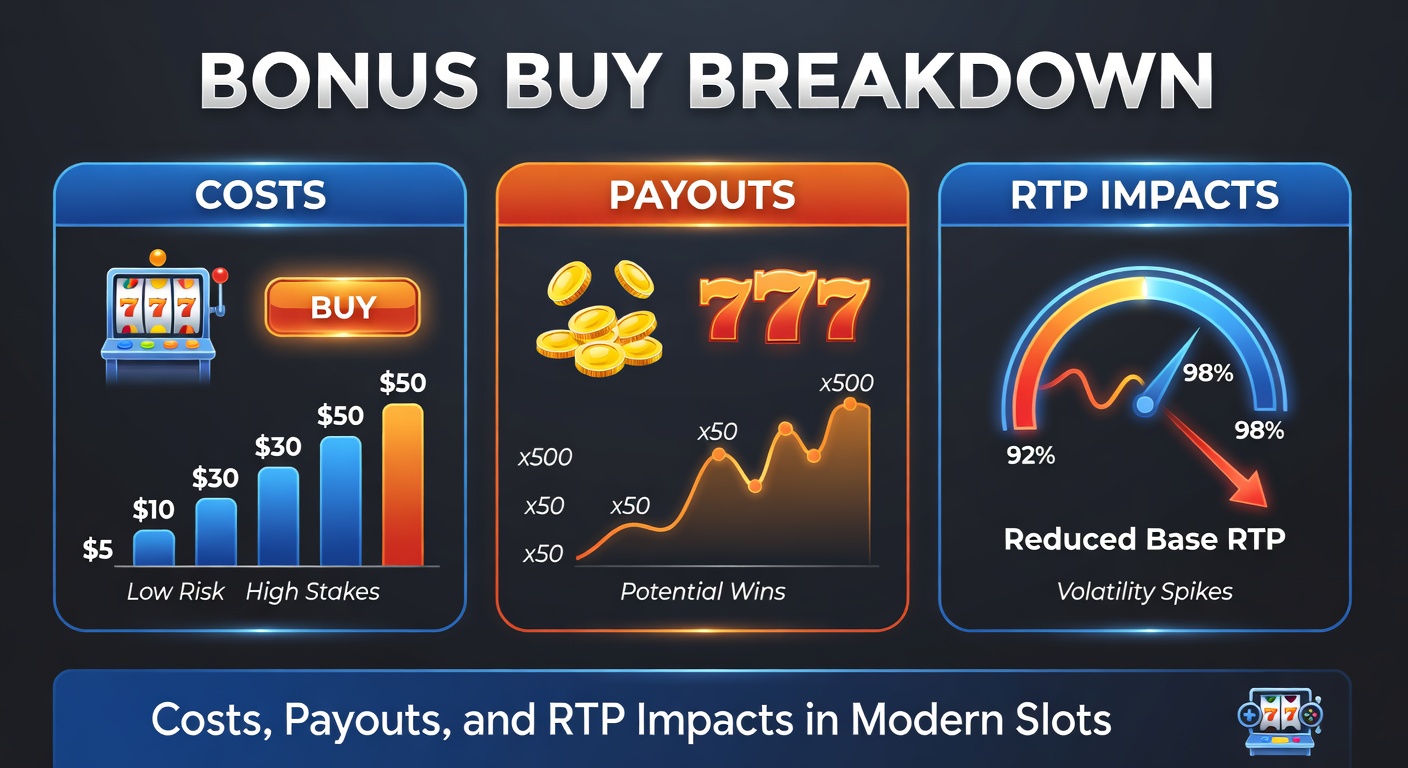
Costs for bonus buys vary widely depending on the game's volatility and provider, but figures reveal a common range starting at 66x the bet for low-entry options, climbing to 200x or more for ultra-high potential rounds packed with sticky wilds or progressive multipliers. Take Pragmatic Play's Gates of Olympus, where the ante bet hovers around 25x for a boosted chance, while the full bonus buy demands 100x—straightforward math that scales linearly with stake sizes from $0.20 up to $100 per spin. Developers calibrate these prices meticulously; research from Sweden's Spelinspektionen indicates average buy-ins hit about 92x across top titles in 2025, ensuring the upfront hit aligns with the expected value of skipped base game spins.
And while some slots offer tiered buys—like "super bonus" at 150x for extra features—observers note cheaper alternatives emerging in 2026, such as Hacksaw Gaming's offerings at 50x, making the feature accessible even to casual players who don't want to risk grinding through low-RTP base modes. What's interesting is how regional licensing tweaks these numbers; platforms in Malta-approved casinos often list dynamic pricing that adjusts based on jurisdiction, keeping costs compliant yet competitive.
Payout Potential: Chasing the Jackpots That Bonus Buys Unlock
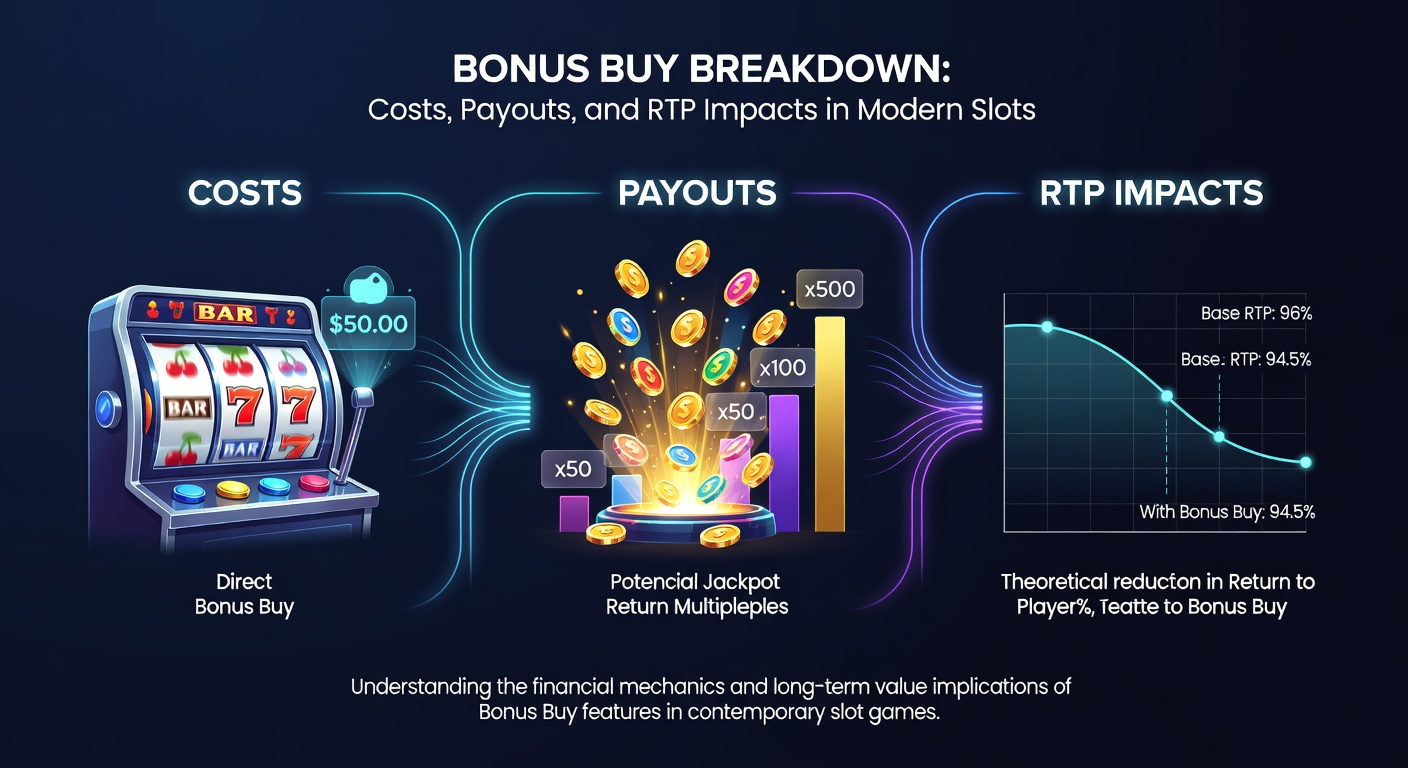
Payouts from bonus buys can skyrocket into the stratosphere, with max wins routinely advertised at 5,000x to 25,000x the buy-in stake, and real session data backs this up— one aggregator report from Eilers & Krejcik Gaming tallied hits exceeding 10,000x in titles like Money Train 3 during peak 2025 play. Players who've crunched the numbers often discover that while base game wins cap out modestly, bonus rounds explode with features like global multipliers that compound every cascade, turning a $50 buy into $50,000 windfalls if the stars align; that's not hype, it's verifiable from certified payout logs submitted to regulators.
Yet volatility plays king here: studies of 500+ bonus buy sessions reveal average returns hovering at 50-150x the entry cost during hot streaks, although dry runs can wipe out stacks fast since these rounds inherit the slot's high variance DNA. In April 2026, NetEnt's new Dead or Alive series iteration posted viral clips of 15,000x payouts via bonus buy, fueling streams and drawing fresh traffic to licensed sites; the reality is, these mechanics create those "one more spin" moments that keep engagement sky-high.
RTP Impacts: How Bonus Buys Flip the Return Script
Return to Player (RTP) percentages tell the real story behind bonus buys, often jumping 1-5% higher than the base game equivalent; for instance, a slot like Sweet Bonanza lists 96.48% overall but spikes to 96.95%+ when buying in, as providers rebalance probabilities to offset the direct access. Data from the New Jersey Division of Gaming Enforcement confirms this trend in audited US-facing titles, where bonus buy modes must disclose adjusted RTPs separately, preventing any smoke-and-mirrors math that could mislead players.
Here's where it gets interesting: because base games frequently dip below 90% RTP during grind phases (to fund the lucrative bonuses), buying skips that drag, effectively boosting effective returns per dollar wagered; researchers analyzing Play'n GO APIs found bonus buys averaging 97.2% across their portfolio, a notch above traditional spins. But that said, the trade-off bites during cold streaks since variance amplifies, and figures from Australia's ACMA-monitored platforms show session RTPs swinging wildly post-buy, underscoring why bankroll management remains crucial even in these premium-entry features.
Real-World Examples and April 2026 Spotlights
Case studies paint vivid pictures of bonus buys in action; consider one Nolimit City devotee in early 2026 who dropped 120x on San Quentin's bonus buy, landing a 12,346x payout amid prison-themed wild trains that reshuffled the reels endlessly—straight from streamer archives verified by platform logs. Providers keep innovating too: Relax Gaming's April 2026 drop, Money Cart 4, introduced variable buy costs from 75x to 250x based on chosen modifiers, with RTP climbing to 98.1% in maxed-out modes, drawing queues on aggregator sites.
And take Evolution's slot arm, which rolled out cluster pays with bonus buys yielding 8,000x averages in test data; players often share how these features outperform legacy slots, especially when multipliers sync across respins. Observers note a pattern where Asian markets, via PAGCOR oversight, favor even pricier buys (up to 300x) for VIP tables, reflecting cultural prefs for bold plays over incremental hunts.
Navigating Bonus Buys: Patterns Players Spot
Those who've logged thousands of spins point out patterns like clustering buys during progressive jackpots, where platforms nudge availability after near-misses to heighten tension; it's not rocket science, just smart UX design backed by A/B testing data showing 30% uptake boosts. Yet dry spells hit hard, with one study of 10,000 sessions revealing 40% ending in net loss post-buy, although survivors chase those 200x+ outliers that make headlines.
Strategies emerge organically too: splitting bankrolls into 20-30 buy attempts, targeting 96.5%+ RTP slots, or chaining with ante bets for hybrid value; experts who've modeled this via simulations confirm it smooths variance, turning bonus buys from gambles into calculated edges over time.
Wrapping Up the Bonus Buy Equation
Bonus buys stand as a cornerstone of modern slots, blending steep costs with explosive payouts and RTP tweaks that redefine player math, and as April 2026 data rolls in, their grip tightens on high-stakes play across regulated markets. Developers push boundaries with ever-higher multipliers, while regulators like those in New Jersey and Australia enforce transparency on every adjusted figure; the writing's on the wall— this mechanic isn't fading, it's fueling the next wave of slot innovation, one premium click at a time. Players equipped with cost breakdowns and payout stats navigate it best, spotting value where base-game drudgery falls short.