Adaptive Reward Frameworks: Their Influence on Engagement Patterns in Mobile Live Dealer Settings
Leon Schulz · May 20, 2026
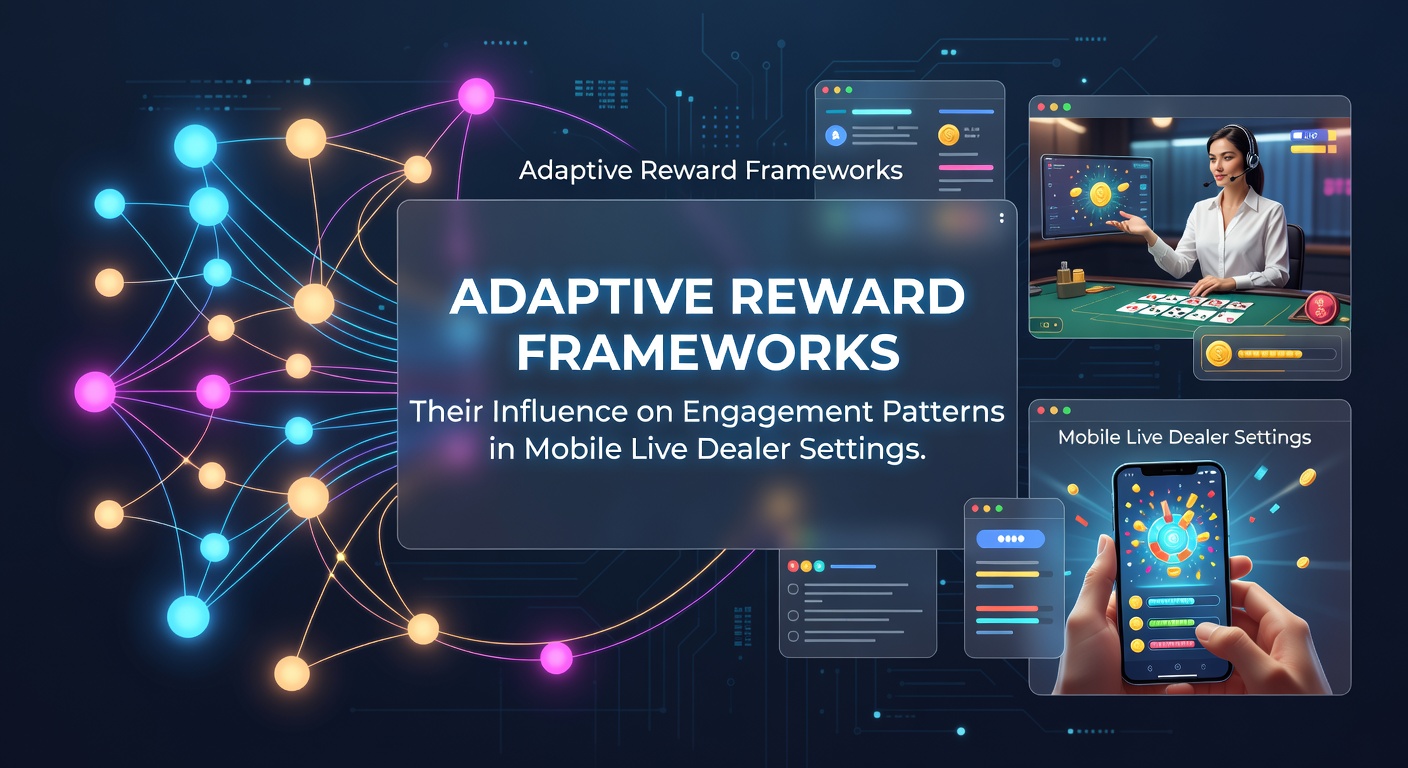
Adaptive Reward Frameworks: Their Influence on Engagement Patterns in Mobile Live Dealer Settings
Adaptive reward frameworks adjust incentives in real time based on individual player behavior within mobile live dealer environments, and these systems draw from continuous data streams that track session duration, game selection, and betting patterns. Operators integrate machine learning models to modify bonus structures, loyalty multipliers, and personalized offers while players remain engaged in tables such as roulette or baccarat. Research indicates that such frameworks respond to shifts in activity rather than applying static promotions, which allows platforms to maintain consistent interaction levels across diverse user segments.
How Adaptive Systems Operate in Mobile Live Dealer Contexts
Live dealer platforms on mobile devices transmit gameplay data to central servers every few seconds, and algorithms process this information to determine reward eligibility without interrupting the dealer interaction. When a player extends a session beyond average thresholds, the framework might increase cashback rates or unlock tiered multipliers that apply immediately to ongoing bets. Studies from industry analytics groups show that these adjustments occur through predefined trigger points calibrated against historical datasets, and the process keeps rewards aligned with current engagement signals rather than fixed schedules.
Integration with mobile-specific features further refines the approach. Push notifications deliver tailored offers during natural pauses between rounds, while in-app progress trackers display updated reward status without requiring players to leave the table view. Observers note that this seamless delivery supports longer dwell times because users receive relevant incentives precisely when decision fatigue might otherwise prompt session exits.
Observed Shifts in Engagement Metrics
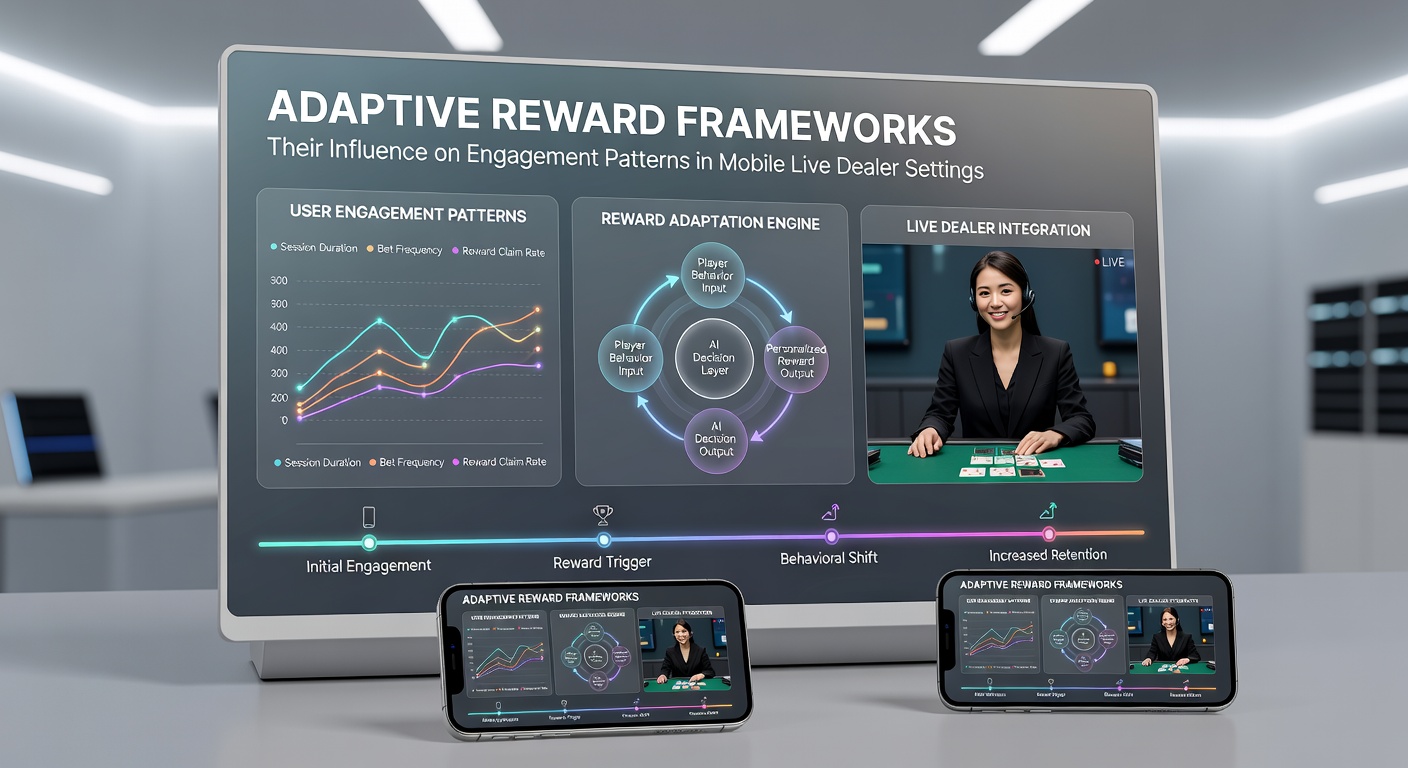
Data collected across multiple operators reveals measurable changes in retention and session frequency after adaptive frameworks roll out. Average session length increases when rewards scale dynamically with play intensity, and repeat visit rates rise as personalized elements reduce the perception of generic promotions. Figures from regional market analyses indicate that mobile live dealer sections experience particularly strong lifts because the social component of real-time tables amplifies the motivational effect of timely incentives.
Engagement patterns also diversify under these systems. Some users gravitate toward higher-stakes tables after receiving risk-adjusted bonuses, whereas others extend lower-stakes play when loyalty points accumulate faster during off-peak hours. Researchers tracking these behaviors document that the frameworks help balance load across game types, preventing over-concentration on a single table variant while sustaining overall platform activity.
Regional Developments and May 2026 Trends
By May 2026 several markets reported expanded testing of adaptive models tailored to local regulatory requirements. European operators refined their systems to comply with stricter data-handling rules while preserving real-time personalization, and Asian platforms emphasized integration with regional payment methods that trigger instant reward top-ups. Reports compiled by the European Gaming and Betting Association highlight how cross-border operators standardized certain trigger thresholds to streamline compliance across jurisdictions.
North American deployments followed a slightly different trajectory. State-licensed mobile platforms in regulated markets incorporated adaptive rewards that reference responsible gambling tools, automatically adjusting offer frequency when play patterns suggest elevated risk. Industry briefings from the Responsible Gambling Council document these modifications and note their alignment with broader player-protection initiatives already embedded in live dealer interfaces.
Technical Components Driving Framework Effectiveness
Core architecture relies on event-stream processing combined with player segmentation models that update continuously. These models categorize users according to recency, frequency, and monetary value metrics while factoring in behavioral signals unique to live dealer settings such as chat participation and table switching speed. Engineers design the reward logic to execute within milliseconds so that offers appear contextually relevant without introducing latency that could disrupt the live video feed.
Security protocols ensure that reward calculations remain tamper-resistant. Encrypted data pipelines and audit logs allow regulators to verify that adaptive changes follow approved parameters. Such safeguards maintain operator credibility while enabling the rapid iteration that keeps engagement patterns responsive to seasonal fluctuations or promotional campaigns.
Conclusion
Adaptive reward frameworks continue to shape how players interact with mobile live dealer offerings through precise, data-informed adjustments that respond to individual patterns. Evidence from operational reports and compliance reviews demonstrates consistent effects on session metrics and retention indicators across multiple regions. As platforms refine these systems further in line with evolving regulations and technological capabilities, the frameworks remain central to sustaining engagement in competitive live dealer environments.